
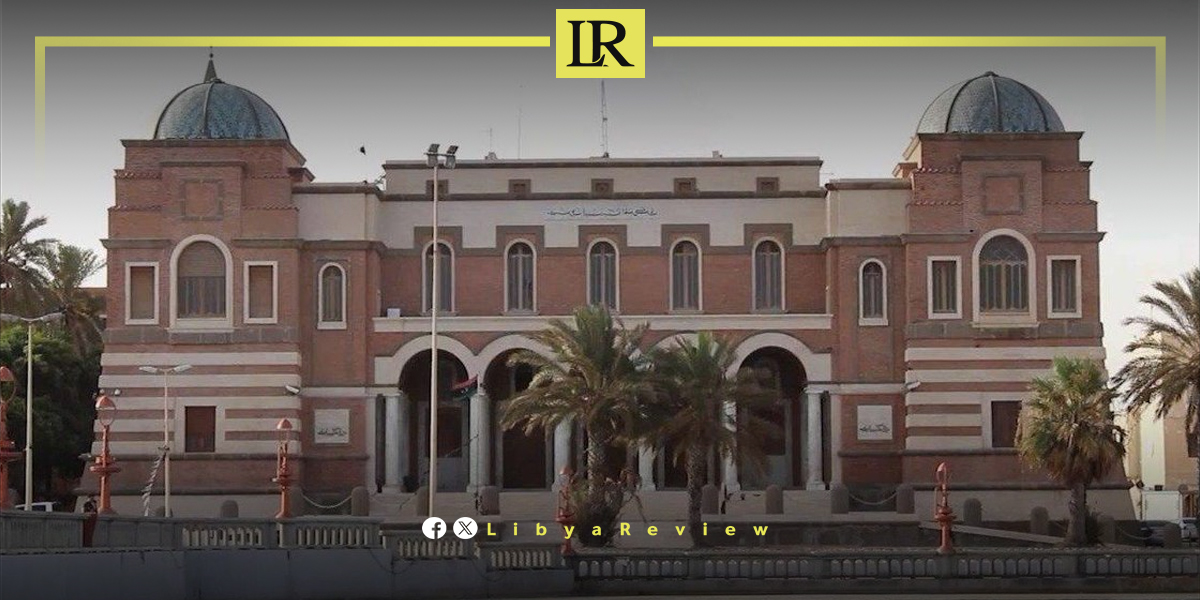
Libya has maintained a substantial foreign currency reserve totaling $80.7 billion in 2024, positioning it as the top country in Africa in this regard. This achievement coincides with Libya’s status as one of the continent’s major oil exporters.
The African Export-Import Bank (Afreximbank) released a ranking of African countries based on their foreign currency reserves for the year 2024. Despite ongoing political instability and internal conflicts, Libya has managed to sustain its high reserves, primarily due to its oil production and exports.
The bank noted that the Central Bank of Libya has utilized these reserves “to stabilize its economy, especially during periods of volatility in global oil prices.”
Foreign currency reserves are a key indicator of a country’s financial health, reflecting its economic strength and ability to cover imports of goods, as well as support the exchange rate of its local currency.
Libya has been in chaos since a NATO-backed uprising toppled longtime leader Muammar Gaddafi in 2011. The county has for years been split between rival administrations.
Libya’s economy, heavily reliant on oil, has suffered due to the ongoing conflict. The instability has led to fluctuations in oil production and prices, impacting the global oil market and Libya’s economy.
The conflict has led to a significant humanitarian crisis in Libya, with thousands of people killed, and many more displaced. Migrants and refugees using Libya as a transit point to Europe have also faced dire conditions.
The planned elections for December 2021 were delayed due to disagreements over election laws and the eligibility of certain candidates. This delay has raised concerns about the feasibility of a peaceful political transition.
Despite the ceasefire, security remains a significant concern with sporadic fighting and the presence of mercenaries and foreign fighters. The unification of the military and the removal of foreign forces are crucial challenges.

