
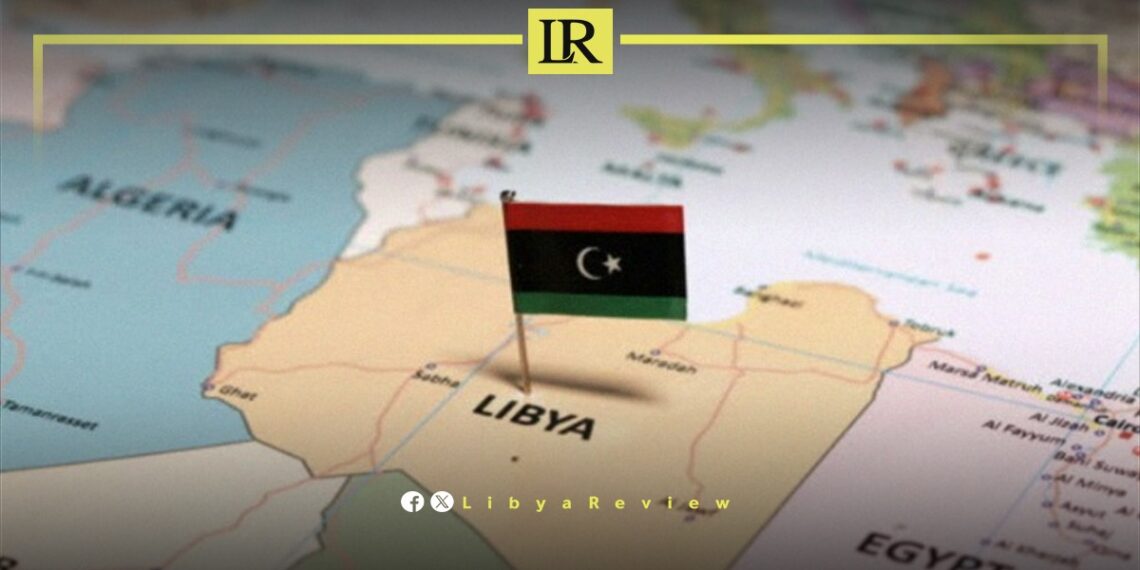
Libya has ranked 79th out of 147 countries in the 2025 World Happiness Report, reflecting a notable decline from its 66th-place ranking in 2024, a drop of 14 positions.
The report, released Saturday by the UN-backed Sustainable Development Solutions Network, evaluates countries based on a range of well-being indicators and public opinion surveys.
Despite outperforming its North African neighbors—Algeria (84), Morocco (112), Tunisia (113), and Mauritania (114)—Libya’s overall score reflects growing concerns over quality of life, institutional trust, and economic conditions, which likely contributed to its lower ranking.
The World Happiness Index considers factors such as GDP per capita, social support, healthy life expectancy, freedom to make life choices, generosity, and perceptions of corruption.
The data is primarily collected through the Gallup World Poll, offering insight into how people around the world perceive their lives.
Finland topped the list for the eighth consecutive year, while Afghanistan remained at the bottom. Among Arab countries, the UAE led the region, placing 21st globally, followed by Kuwait (30) and Saudi Arabia (32).
Libya’s decline in the ranking comes amid ongoing challenges in governance, political fragmentation, economic uncertainty, and public services.
While the country continues to make strides in stabilizing certain sectors, citizens still report limited confidence in institutions and uneven access to basic needs.
The World Happiness Report is widely used as a global benchmark for assessing well-being, quality of life, and public trust, helping countries identify areas of improvement to shape better policy decisions.
Libya’s current position underscores the importance of strengthening social cohesion, economic opportunity, and institutional reform to improve life satisfaction for its citizens.

