
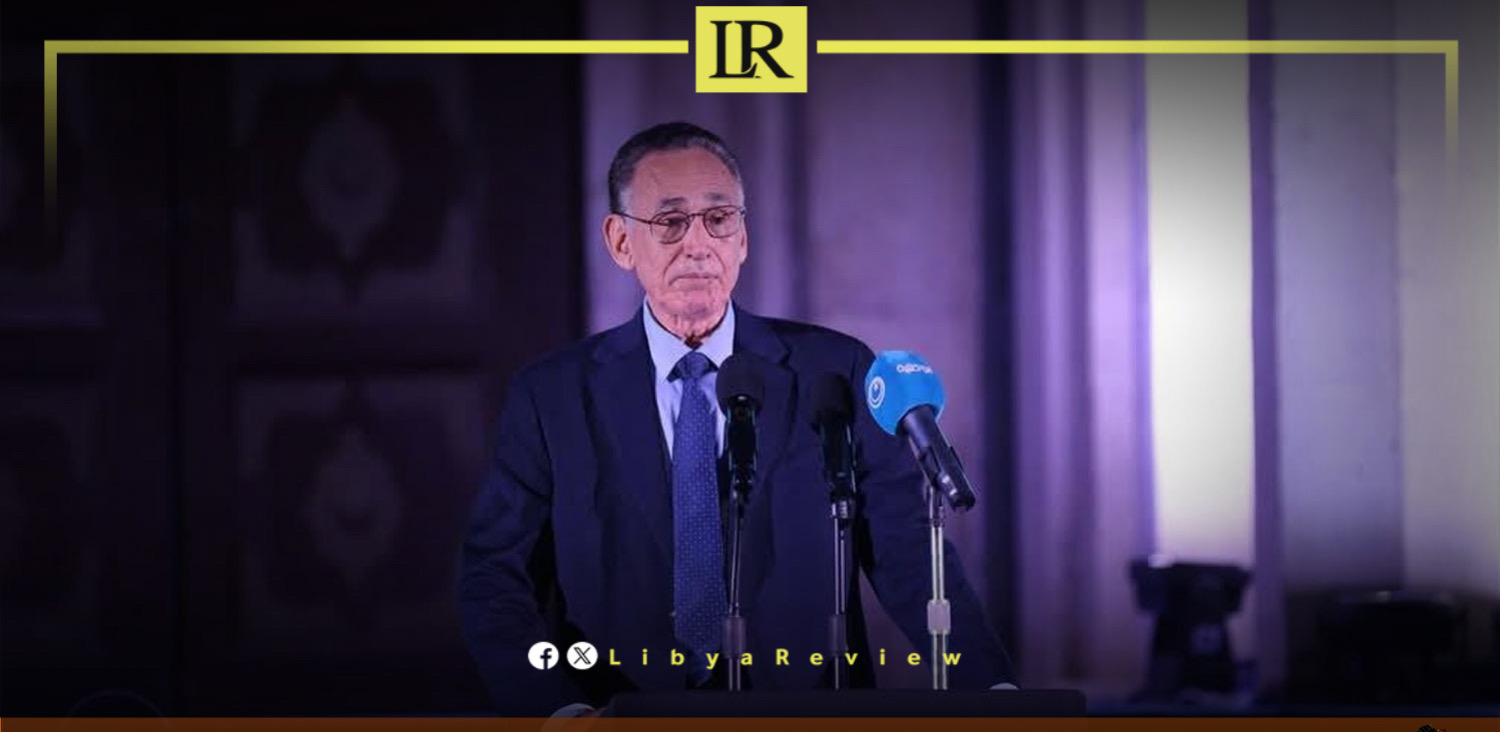
Libya’s acting Minister of Economy of the Government of National Unity (GNU), Mohamed Al-Hwaij, announced that the country’s gross domestic product (GDP) is expected to reach $420 billion by the end of 2025, a significant leap from the estimated $135 billion in 2020.
The statement was made during the opening of the Tripoli International Economic Exhibition, held this week in Tripoli.
Al-Hwaij emphasized that 53% of the projected GDP—approximately $224 billion—will come from the private sector, calling it “an unprecedented economic transformation” for a country long reliant on oil revenues and public spending.
However, the figures sparked immediate skepticism. Data from the Central Bank of Libya reported GDP at 303.79 billion Libyan dinars (around $210 billion) in 2023 at current prices, while the World Bank estimated it at 83.7 billion dinars at constant prices for the same year.
The Libyan minister did not specify whether the numbers were based on current or constant prices, prompting questions about methodology and accuracy.
In a related forum, Abdulhamid Dbaiba, head of the outgoing Government of National Unity (GNU), stated that foreign currency reserves are stable between $84 and $94 billion, while GDP growth reached 12%—the highest in the Arab world—with inflation below 2.5%. Dbaiba described the figures as evidence of “gradual recovery,” stressing the need for unified development planning and stricter financial oversight.
The Tripoli International Fairgrounds, once neglected, have now been transformed into a key symbol of economic revival, according to Al-Hwaij. He noted that the continued hosting of international exhibitions reflects Libya’s growing investment appeal and promised “unprecedented incentives” for investors, including access to key sectors, tax advantages, and streamlined procedures.
Despite the optimism, economic analysts warn of major structural challenges, including political division, over-reliance on oil (over 90% of revenues), and limited transparency in economic reporting. While growth indicators suggest short-term improvements, Libya’s long-term recovery depends on institutional reform, diversification, and fiscal stability.

