
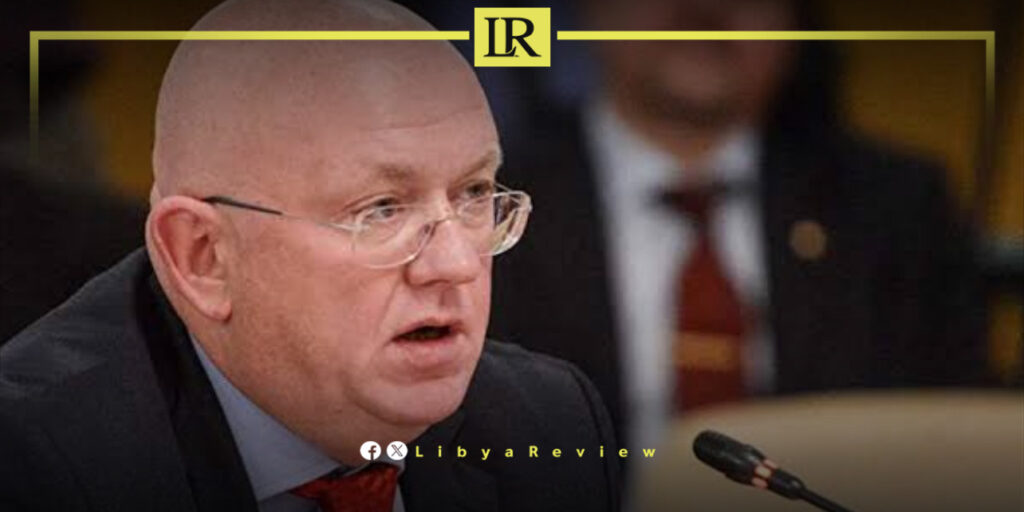
The Russian Delegate to the United Nations has emphasised that stabilising Libya’s security environment is essential for reviving the country’s stalled political process. Addressing the UN Security Council, he reiterated Moscow’s support for the efforts of UN Special Representative Hanna Tetteh in uniting Libya’s political factions ahead of elections.
The diplomat highlighted the urgent need to complete preparatory steps outlined in the UN roadmap, including appointments to sovereign positions and updating electoral legislation. He stressed that any political plan must respect the legitimate interests of all Libyan parties.
Russia also voiced opposition to any external interference in Libya’s economic and financial institutions. The delegate expressed concern over ongoing instability in and around Tripoli and condemned the use of heavy weaponry by armed groups, despite UN sanctions and the international arms embargo in place since 2011.
Tetteh briefed the Council on Libya’s political, economic, security, and humanitarian developments, noting the persistent challenges hindering progress. She underlined that the first preparatory steps of the roadmap—reforming the Election Commission and amending electoral legislation—remain incomplete due to a lack of mutual trust between the House of Representatives and the State Council.
The UN envoy reaffirmed her commitment to working with the Election Commission to facilitate credible presidential and legislative elections, slated for April 2026, following popular demonstrations in eastern Libya calling for elections.
Tetteh also reported on the recent launch of structured dialogue in Tripoli, bringing together 140 Libyan representatives from various institutions and stakeholder groups. The process includes provisions for youth, women, and persons with disabilities, reflecting the population’s desire to contribute to a unified national vision.
The Russian delegate’s remarks underscore the crucial role of security and international cooperation in supporting Libya’s political and institutional stability.

