
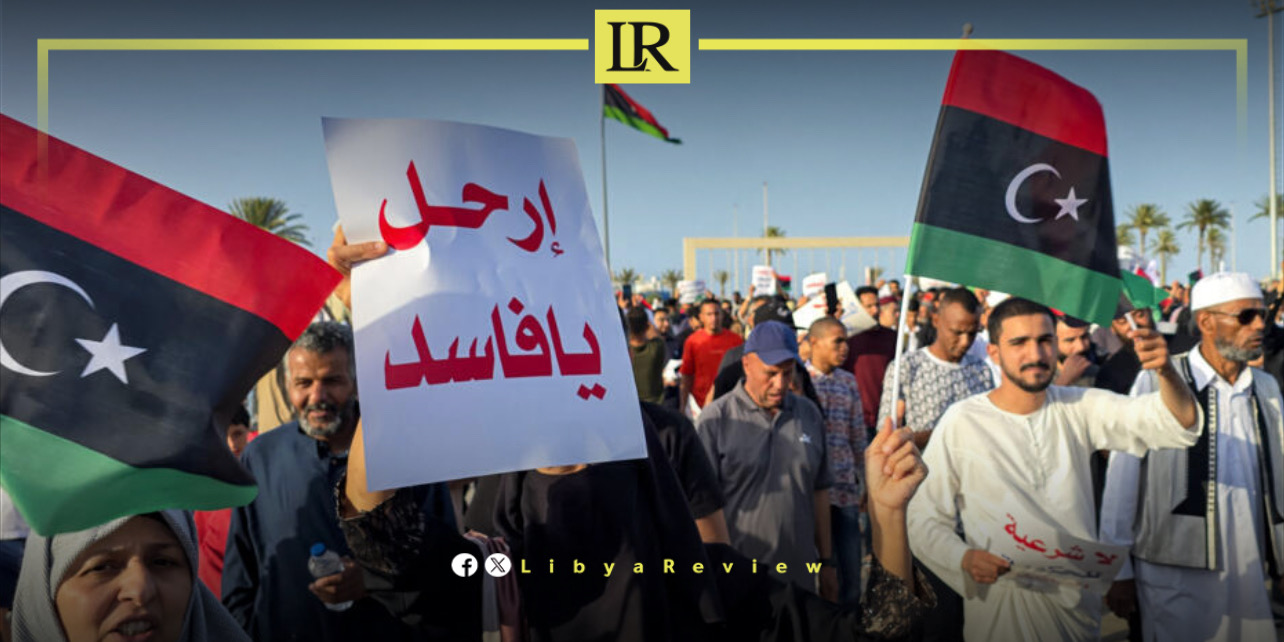
Public outrage has intensified in the Tripoli municipality of Souq Al-Jumaa after remarks attributed to Mohamed Al-Bariwsha, a relative of Abdel-Hamid Dbaiba, were widely perceived as insulting and degrading toward Libyans protesting against the government.
The comments, which circulated rapidly on social media platforms, allegedly described demonstrators opposing the Government of National Unity as “garbage” and other offensive terms. The language triggered strong reactions across Tripoli, particularly in Souq Al-Jumaa, where a coordinated popular movement issued a sharply worded response condemning what it described as a direct insult to citizens and a contemptuous dismissal of their right to peaceful expression.
In an official statement published on its verified page, the Souq Al-Jumaa Movement said the remarks reflected “moral degeneration and political bankruptcy,” arguing that resorting to insults revealed fear of public opinion and an inability to confront legitimate popular demands through responsible political means. The statement stressed that verbal attacks on protesters only deepen mistrust and further alienate the public from those in power.
The movement went on to reverse the narrative used against demonstrators, stating that the “real waste” lies in corruption within state institutions and in figures who, according to the statement, plundered public funds and then spoke down to the people. It accused the current executive authority of failing to address worsening economic and living conditions, while instead relying on intimidation and verbal abuse.
Addressing repeated government accusations related to road closures during protests, the statement argued that such actions occurred only after “the roads to justice were closed,” dignity was trampled, and basic livelihoods were held hostage by what it described as networks of power. Protesters rejected responsibility for chaos, insisting that the real causes lie in prolonged political deadlock, lack of accountability, and the absence of meaningful solutions.
The Souq Al-Jumaa Movement emphasized that demonstrators were peaceful citizens driven by national responsibility, rejecting portrayals of them as lawless or destructive. In contrast, it described those attacking protesters verbally as a burden on the country, resorting to insults when corruption fails to defend itself through achievement or argument.
Human rights activists and political observers have also condemned the alleged remarks, saying they reflect a broader pattern of dismissive rhetoric toward public dissent. Many warned that such language undermines freedoms, violates norms of public discourse, and risks further inflaming tensions at a time of economic hardship and prolonged political division.
Observers caution that continued provocative rhetoric could expand protests beyond Souq Al-Jumaa, widen the gap between authorities and citizens, and push more Libyans into the streets amid growing frustration over stalled elections, governance failures, and declining living standards.

