
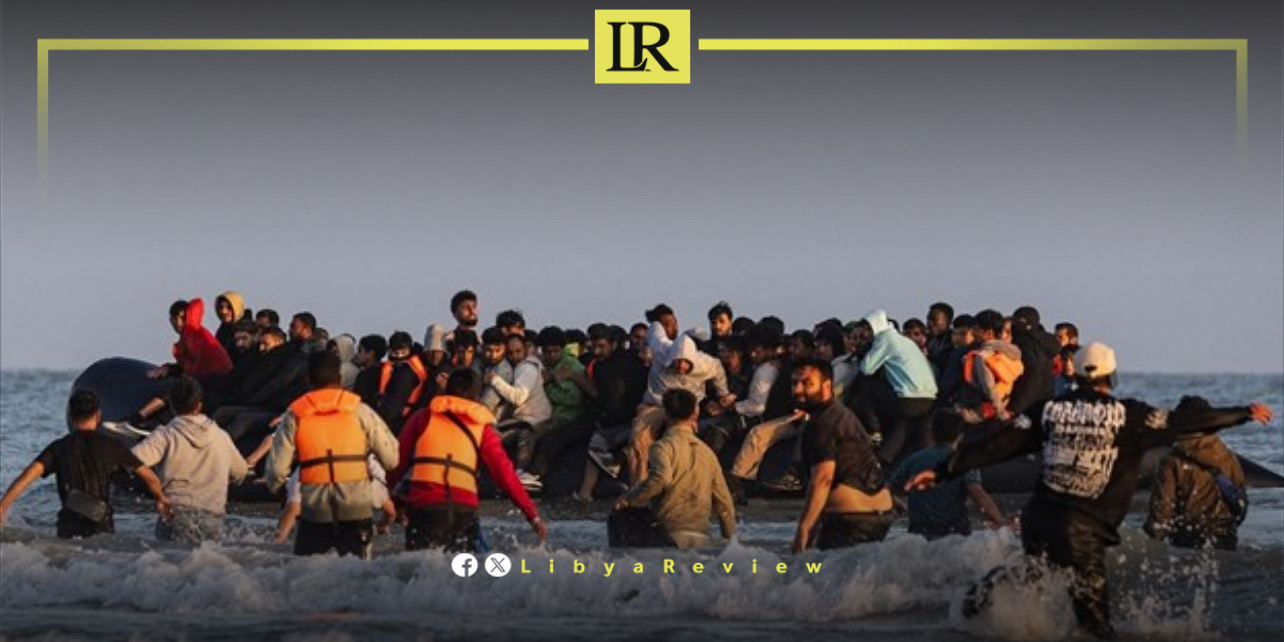
Malta is facing mounting accusations of coordinating forced returns of migrants to Libya through undeclared cooperation with Libyan authorities, amid growing concern over repeated violations of international maritime and humanitarian law in the central Mediterranean.
Pressure from irregular migration continues to intensify on both shores of the Mediterranean Sea, as investigative and human rights reports point to controversial practices in migration management. At the center of the allegations is an alleged pattern of coordination between Malta and Libyan coast guard units that results in migrants being intercepted at sea and returned to Libya, despite well-documented humanitarian and legal risks.
Media reports in Malta indicate repeated incidents in which Libyan coast guard vessels entered search and rescue zones under Maltese responsibility. Observers say these incursions reflect a growing form of operational cooperation aimed at preventing migrants from reaching European shores, even when this undermines binding international obligations related to the rescue of people in distress at sea.
Data cited in these reports show that Maltese authorities received hundreds of distress calls during the first half of the year from boats carrying thousands of migrants. Despite this, direct rescue responses remained extremely limited. At the same time, there was a noticeable increase in the number of migrants intercepted at sea and returned to Libya, suggesting a clear shift in migration control tactics.
Human rights organizations have strongly criticized this approach, arguing that outsourcing rescue responsibilities to the Libyan coast guard represents a circumvention of international law. Libya is not recognized by the United Nations as a safe country for the return of migrants, and forced returns expose individuals to severe risks in a country marked by fragile security conditions and deep political fragmentation.
On the Libyan side, irregular migration represents an additional burden on a state already struggling with weak institutions and competing centers of power. Detention centers to which intercepted migrants are returned have repeatedly been accused of serious abuses, while authorities remain unable to provide even minimum levels of protection or humane conditions. This has turned Libya into a dangerous bottleneck along the migration route to Europe.
European governments, meanwhile, face growing domestic political pressure to curb migration flows, particularly amid the rise of right-wing movements advocating stricter border controls. Analysts argue that this environment has pushed some states toward policies of externalized deterrence, shifting the responsibility for migration control onto transit countries, even when this conflicts with the European Union’s stated commitment to human rights.
Activists note that the decline in official search and rescue operations in the central Mediterranean has coincided with a rise in interceptions, marking a shift from rescue-based responses to prevention-focused strategies. They warn that such policies do not reduce migration but instead make journeys more dangerous and encourage smuggling networks to adopt riskier routes.
Within this complex landscape, irregular migration has become a dual test for both Libya and Europe. Libya remains overwhelmed by humanitarian and security challenges beyond its capacity, while Europe struggles to reconcile border protection with its legal and moral obligations. Caught between these competing policies, migrants remain the most vulnerable actors, paying the ultimate price in safety, dignity, and lives.

