
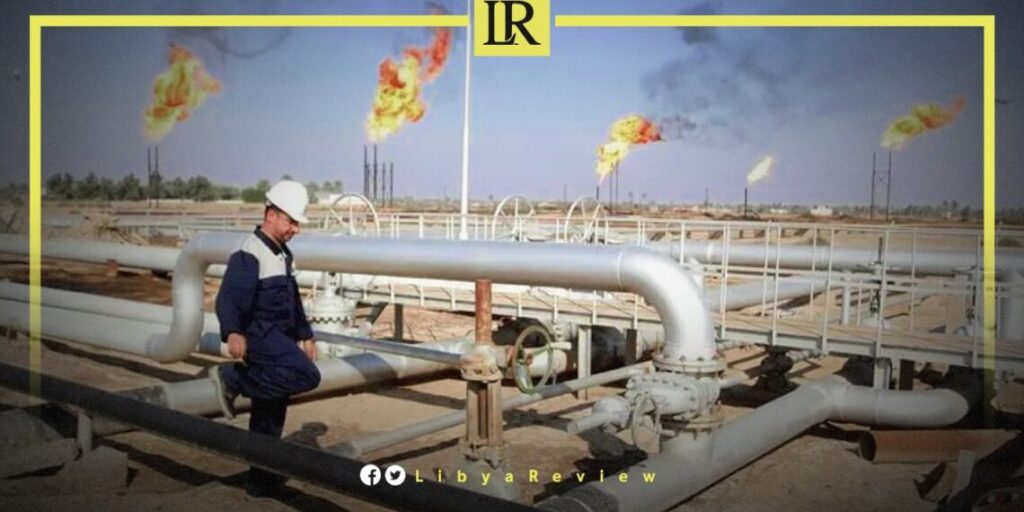
Libya’s oil revenues reached $1.349 billion during December, according to a statement issued by the Central Bank of Libya, reflecting continued reliance on hydrocarbons as the main source of state income.
The central bank said the revenues were generated from $1.127 billion in crude oil sales, in addition to $222 million in oil royalties. The figures underline the importance of maintaining stable production and export levels amid ongoing political and economic challenges.
In its statement, the Central Bank of Libya confirmed that it continues to carry out foreign currency sales on a regular basis, at volumes designed to meet local market needs. The policy, it said, aims to preserve monetary stability, support economic activity, and ensure the availability of foreign exchange for essential imports and commercial operations.
The announcement comes amid broader signs of improvement in Libya’s oil sector. The chairman of the National Oil Corporation, Masoud Suleiman, previously reported a notable increase in oil revenues during 2025, attributing the rise to improved production efficiency and better operational performance across key oil fields and facilities.
Suleiman said total oil revenues up to November amounted to more than $21.26 billion, in addition to over €71 million, compared with $18.61 billion recorded during the previous year. This growth was achieved despite a decline in the average global oil price by nearly $11.7 per barrel compared with the year before.
He also indicated that Libya expects a gradual increase in production rates starting from the second quarter of 2026, reflecting ongoing technical upgrades and maintenance work within the sector.
Libya’s oil income remains central to funding public spending and sustaining foreign currency reserves, making the performance of the energy sector a critical factor in the country’s economic outlook and financial stability.

