
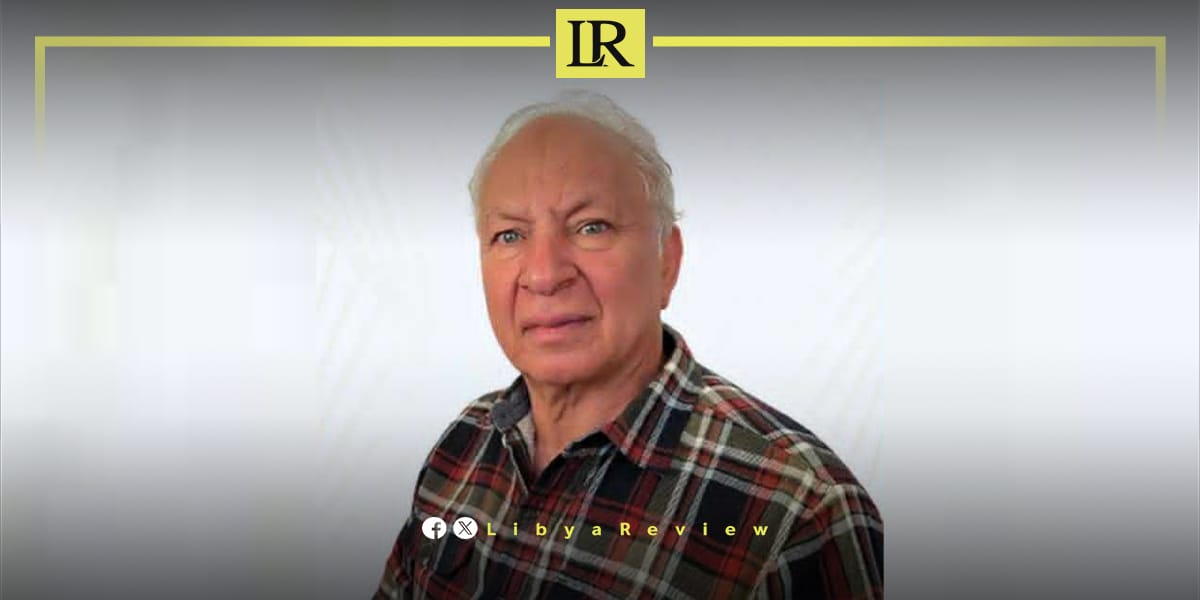
Libyan lawmaker Ali Al-Tekbali has warned that ordinary Libyan citizens are paying the highest price for the country’s prolonged political and security divisions, criticizing state institutions for focusing on internal disputes while public suffering continues to deepen.
Al-Tekbali, a member of the Defense and National Security Committee in the House of Representatives, said that reopening debates over lawmakers’ salaries or administrative privileges at the current stage is inappropriate and detached from the harsh reality faced by citizens. He stressed that most Libyans are struggling with rising living costs, weak public services, and economic uncertainty, while the political process remains stalled.
According to the lawmaker, years of political fragmentation and institutional division have left citizens exposed to worsening economic conditions and declining security. He said that the absence of unified governance has weakened the state’s ability to manage resources, combat corruption, and respond effectively to public needs. “The Libyan citizen is the only one who bears the consequences of political and security division,” Al-Tekbali stated, emphasizing that political actors have largely insulated themselves from the effects of the crisis.
Al-Tekbali also criticized the House of Representatives for failing to engage with protests that have taken place in Tripoli in recent days, where demonstrators voiced anger over corruption, poor services, and deteriorating living standards. He described the lack of response as a missed opportunity for parliament to reconnect with public sentiment and demonstrate responsibility toward citizens’ demands.
He warned that ignoring public frustration could further erode trust in political institutions and widen the gap between decision-makers and society. Al-Tekbali argued that the protests reflect long-standing grievances and should be viewed as a serious call for reform rather than a temporary disturbance.
The lawmaker called on political institutions to shift their priorities toward addressing citizens’ daily hardships, including improving services, stabilizing the economy, and advancing national reconciliation. He concluded that meaningful political progress in Libya cannot be achieved without placing citizens’ interests at the center of governance and ending the cycles of division that continue to delay stability and recovery.

