
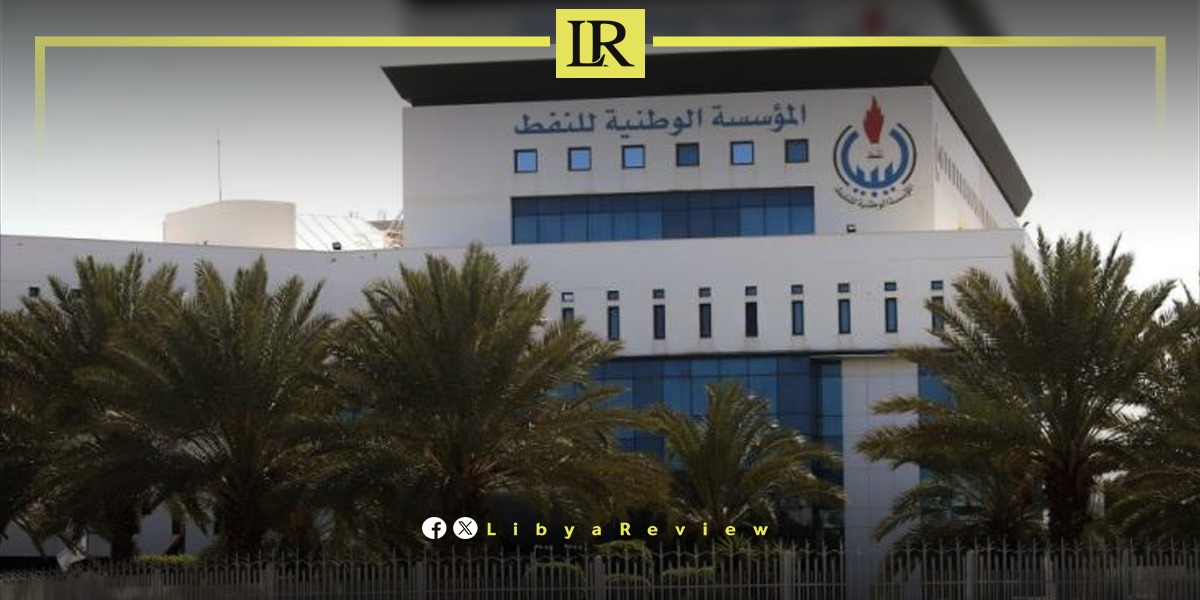
Libya’s oil revenues for 2025 are facing renewed scrutiny after figures revealed a significant gap between declared income and expected earnings based on export volumes and global oil prices, according to Libyan affairs researcher Jalel Harchaoui, raising fresh questions about transparency, revenue flows, and structural practices within the country’s energy sector.
Harchaoui noted that Libya sold approximately 501 million barrels of crude oil and gas condensates during the year, generating reported revenues of $22 billion, despite an average Brent crude price of around $69 per barrel.
Based on standard industry calculations, however, Harchaoui argued that Libya’s oil exports should have produced revenues closer to $30 billion. He explained that under Libya’s production-sharing arrangements, foreign partners such as Repsol and ConocoPhillips typically receive about 120,000 barrels for every one million barrels exported. Even accounting for these allocations, the gap between expected and declared revenues remains substantial.
The researcher emphasized that the estimated $8 billion discrepancy is an approximation, but one large enough to trigger heightened scrutiny in the coming weeks, both domestically and internationally. He cautioned that the shortfall is likely the result of multiple overlapping factors rather than a single cause.
Among the key explanations, Harchaoui pointed to declining natural gas output from the Mellitah field. Because the NOC is obligated to supply gas to Libya’s General Electricity Company, the corporation has increasingly relied on crude oil deliveries to Italy’s ENI to compensate for reduced gas volumes. This practice, already documented in 2024, appears to have expanded further in 2025.
He also highlighted the growing impact of so-called “proxy payments,” estimating their value at around $700 million in 2025. In addition, several NOC-affiliated companies reportedly finance themselves directly by selling crude independently, bypassing the NOC’s central revenue system, which further reduces official dollar inflows by a similar amount.
Harchaoui concluded that recent revisions to production-sharing agreements, including discussions involving the Waha Oil Company, warrant close examination. He stressed that Libya’s official oil revenue figures for 2025 will remain under intense observation as questions mount over governance, accountability, and the true scale of oil income.

