
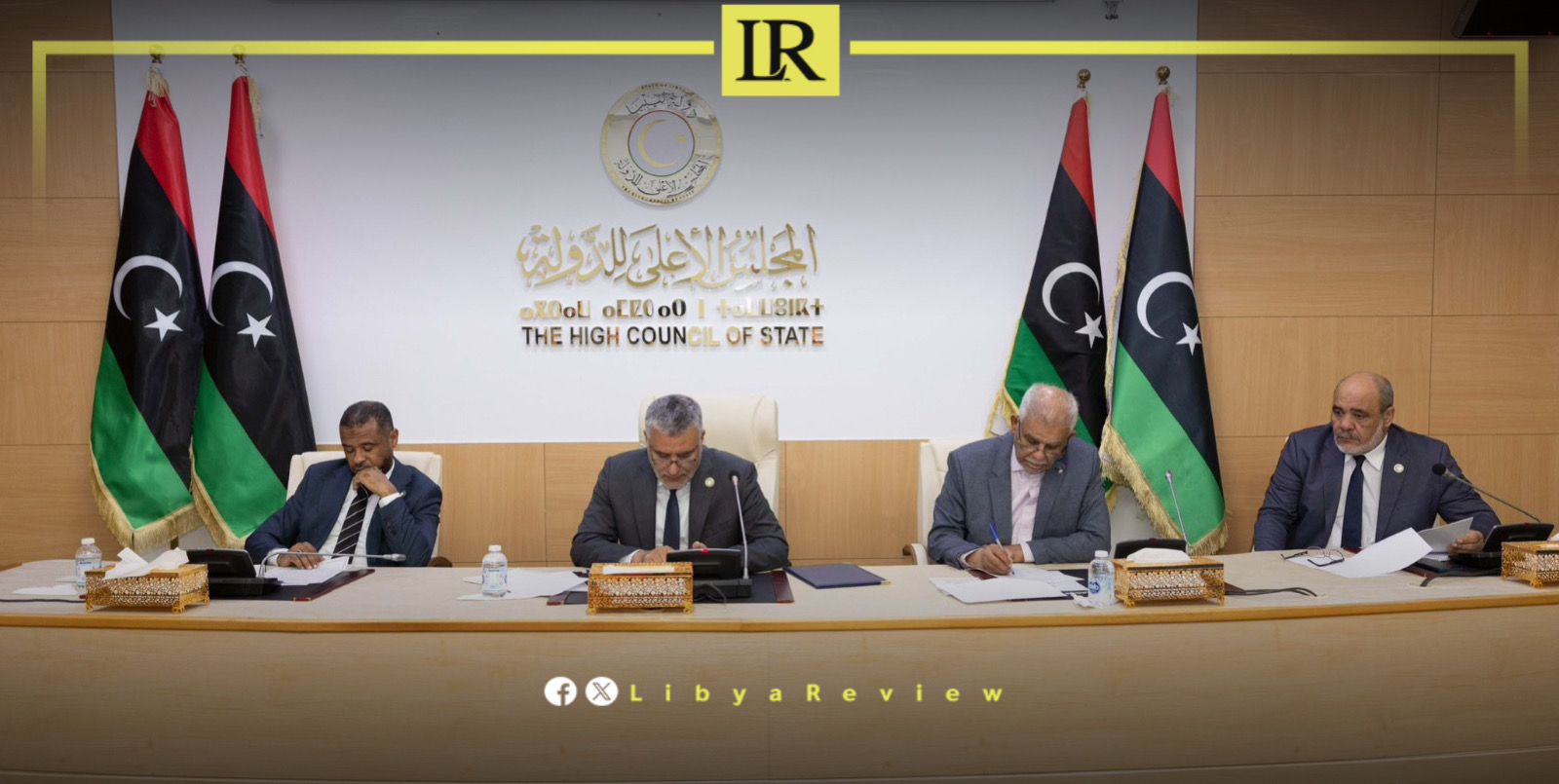
Libya’s High Council of State has voted to appoint Salah Al-Kemishi as Chairman of the Board of the High National Elections Commission, a move that has intensified political tensions between Libya’s rival legislative bodies and raised new questions about the future of the country’s electoral process.
Al-Kemishi secured 63 votes in a second round of voting, defeating Al-Aref Al-Tir, who received 33 votes. A total of 103 members participated in the decisive round out of 107 who attended the session.
Media reports indicate that Al-Kemishi currently serves as Director of Operations at the commission and previously headed its Planning and Follow-up Office, providing him with extensive institutional experience within the elections body.
The decision, however, was strongly rejected by the House of Representatives. Speaker Ageela Saleh said there was no justification for replacing current commission chairman Emad Al-Sayeh, stressing that the commission’s leadership has demonstrated sufficient competence. Saleh pointed to the successful organization of municipal elections last year as evidence that the existing board is capable of managing electoral processes without disruption.
Saleh also linked the controversy to broader political disputes, arguing that the Bouznika Agreement has been selectively implemented despite concessions made by the House of Representatives. He cited the August 2024 Central Bank crisis, during which parliament approved the appointment of a governor from western Libya in the interest of national stability, despite the position traditionally being allocated to the east. Saleh warned that political agreements must be implemented in full or existing unified institutions should remain in place until the transitional phase ends.
The escalating dispute has drawn renewed attention from the United Nations. UN envoy to Libya Hanna Serwaa Tetteh recently reiterated before the Security Council that an alternative mechanism could be proposed if the House of Representatives and the High Council of State fail to reach consensus on key steps in the political roadmap, including electoral arrangements.

