
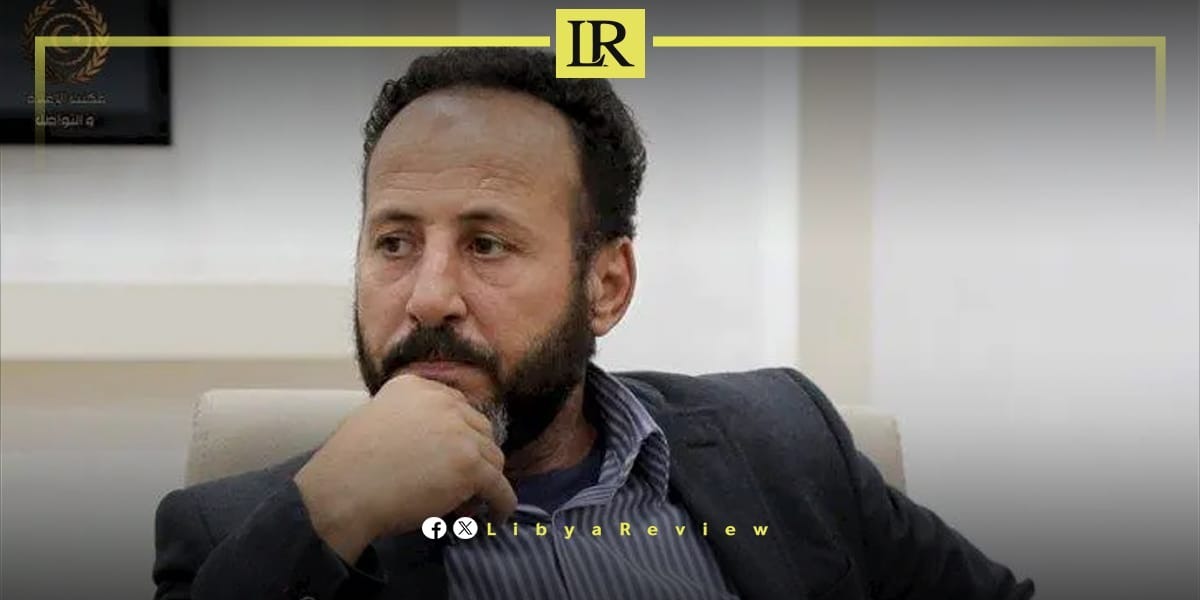
Libya’s political scene has been roiled by controversy after a new head was elected to the country’s High National Elections Commission (HNEC), triggering criticism from lawmakers who say the move undermines national consensus and threatens the country’s electoral process.
Member of Libya’s House of Representatives Abdulmuneem Al-Arfi sharply criticized the election of the HNEC chair, calling it a “farce” intended to derail any broader agreement on electoral arrangements. Al-Arfi accused the High Council of State of acting unilaterally, effectively sidelining the House of Representatives on a matter that he asserted constitutionally belongs to the legislature.
“Electing a new head of the Elections Commission is nothing more than a comedic performance,” Al-Arfi said, adding that the High Council of State under Mohamed Takala was unwilling to engage in compromise with the House of Representatives. He warned that such unilateral steps threaten political stability and consensus as Libya prepares for upcoming polls.
The dispute reflects intensifying tensions between Libya’s two main governing bodies: the elected House of Representatives and the High Council of State. The conflict highlights ongoing challenges in reviving an inclusive political process more than a decade after the 2011 revolution, with competing institutions often at odds over authority and legitimacy.
Political analysts warn that continuing unilateral actions could further delay the election timetable and deepen divisions at a time when many Libyans remain eager for credible elections and stable governance.

