
The Iraqi government has finalized procedures to bring home dozens of Iraqi citizens who had been living in Libya after entering the country irregularly, in a major push to address the humanitarian impact of migration through Libya.
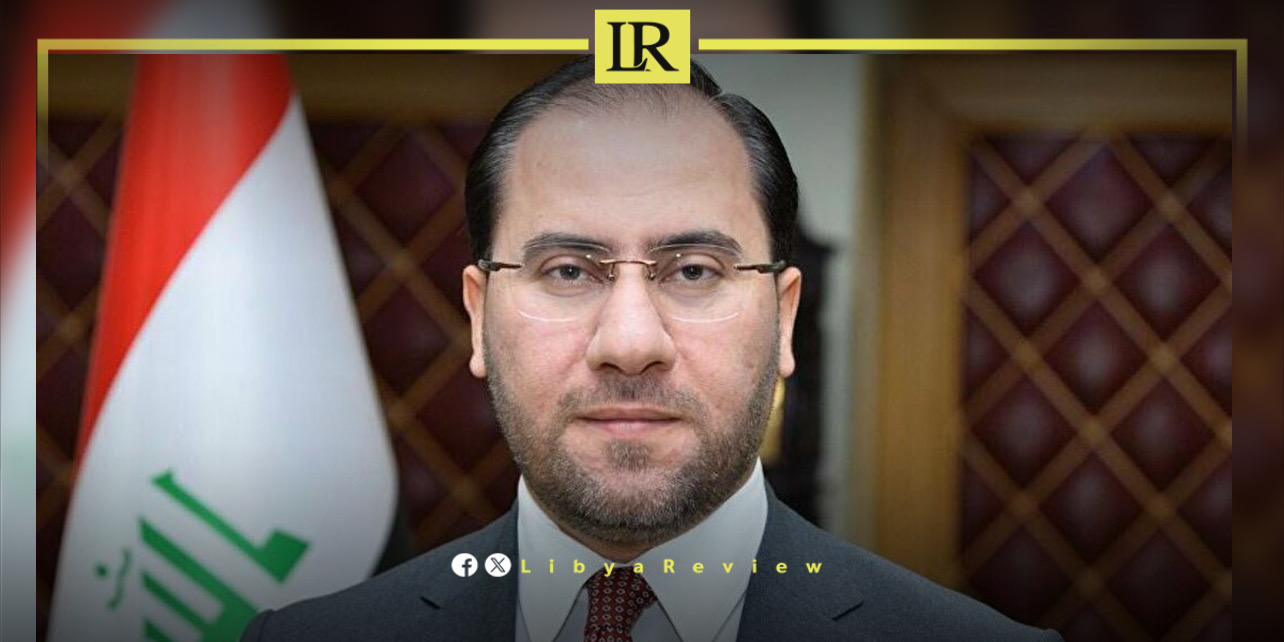
Iraq’s chargé d’affaires in Libya, Ahmed al-Sahhaf, announced that the embassy in Tripoli completed all legal, administrative and logistical requirements to return a significant group of Iraqi migrants to their homeland. The repatriation effort was carried out with coordination between Iraqi diplomatic missions, relevant authorities in Baghdad and counterparts in Libya.
The initiative reflects intensified efforts by the Iraqi government to mitigate the risks faced by its citizens abroad, particularly young people who have been targeted by human smuggling and trafficking networks operating across North Africa. Many of the returnees are young adults and minors who had embarked on dangerous migration routes in hopes of reaching Europe.
Officials explained that the return process included medical checks, verification of identity documents and the provision of travel papers to ensure safe and orderly travel back to Iraq. Support was also provided to the migrants before departure, including food, clothing and other basic necessities.
The embassy’s work follows previous repatriation operations in recent months, as Baghdad continues to monitor the situation of Iraqis in Libya and negotiate with local authorities to locate and assist more individuals still abroad. Iraqi diplomatic and consular staff have emphasized that the primary goal is the safe, voluntary return of citizens who find themselves in precarious circumstances.
In addition to arranging flights for returnees, authorities have stepped up awareness campaigns aimed at discouraging irregular migration and highlighting the dangers of unscrupulous trafficking networks that exploit vulnerable migrants.
The repatriation efforts are part of a broader push by the Iraqi government to address irregular migration and protect its citizens from the dire conditions that many face abroad, while also strengthening cooperation with international partners to manage migration flows more effectively.

