
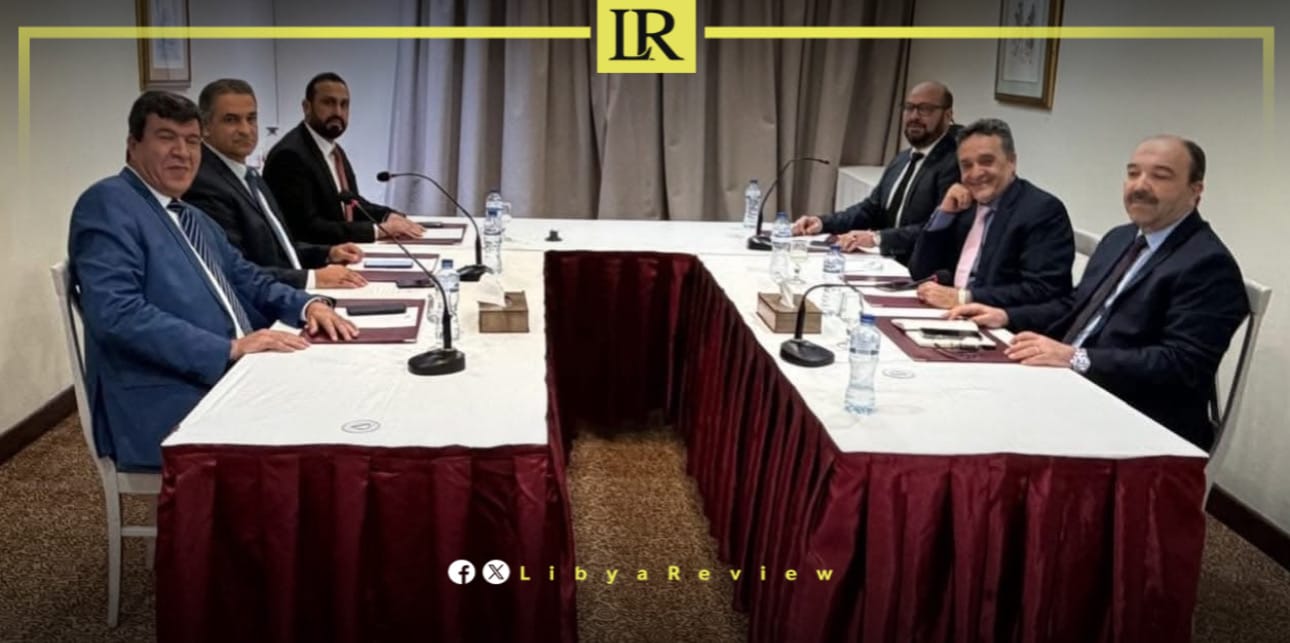
Libyan candidates for the leadership of a unified government have warned against unilateral political tracks amid renewed controversy over the electoral process and ongoing institutional division in the country.
In a joint statement issued after a meeting held in Tripoli, the candidates stressed that any successful electoral process remains conditional on strict adherence to the existing legal framework and the formation of a unified government capable of guaranteeing neutrality, transparency, and equal opportunities for all contenders.
The statement underlined that the laws governing the election of the head of state constitute the only recognised legal reference for holding elections. The candidates noted that these laws enjoy domestic legitimacy as well as United Nations and international backing, making compliance essential to ensure the credibility and legality of the process.
They emphasised that the legislation clearly stipulates the need for a unified Libyan government as a core requirement to prevent the politicisation of state institutions or their use to benefit one party over others.
The candidates warned that any unilateral steps or arrangements risk deepening institutional fragmentation and undermining public trust in election results. They added that both local and international acceptance of the vote depends on respect for legal references and an inclusive, consensus-based approach.
While praising the technical and administrative efforts of the High National Elections Commission (HNEC), the candidates said that technical readiness alone is insufficient. They called for a binding official declaration outlining a clear timetable and detailed implementation procedures, supported by national and international guarantees.
The warning comes amid heightened tensions following the High Council of State’s decision to appoint a new head of HNEC, a move rejected by the House of Representatives, which defended the current commission leadership. The United Nations Support Mission in Libya has also expressed concern, cautioning that unilateral actions could trigger a new phase of institutional division.
The candidates reaffirmed their commitment to a neutral and unifying national role, stressing that free and fair elections remain the only path to ending Libya’s prolonged transitional period.

