
Libya witnessed a significant rebound in tourism activity during the first half of 2025, with around 282,000 tourists visiting the country, according to a report published by Euronews.
The figure represents an increase of nearly 60 percent compared to the same period last year, highlighting gradual progress in a sector that had long been paralyzed by conflict and insecurity.
Euronews attributed the rise primarily to improved internal security and focused efforts by Libyan authorities to rehabilitate major tourist sites and infrastructure. Several destinations that were inaccessible for more than a decade have reopened, helping revive domestic tourism and cautiously attract international visitors.
A key factor behind the increase was the introduction of an electronic visa system in 2024, which replaced lengthy bureaucratic procedures that previously discouraged travel. The report noted that the new system significantly simplified entry into Libya and complemented restoration projects at prominent cultural and historical landmarks.
Among the most notable developments was the reopening of Tripoli’s National Museum after 14 years of closure. In addition, extensive restoration work has been carried out in Tripoli’s Old City with support from UNESCO, enhancing the appeal of its historic markets and architecture. Long-stalled projects such as the Andalus Tourism Complex in the capital have also resumed, signaling renewed investment in tourism infrastructure.
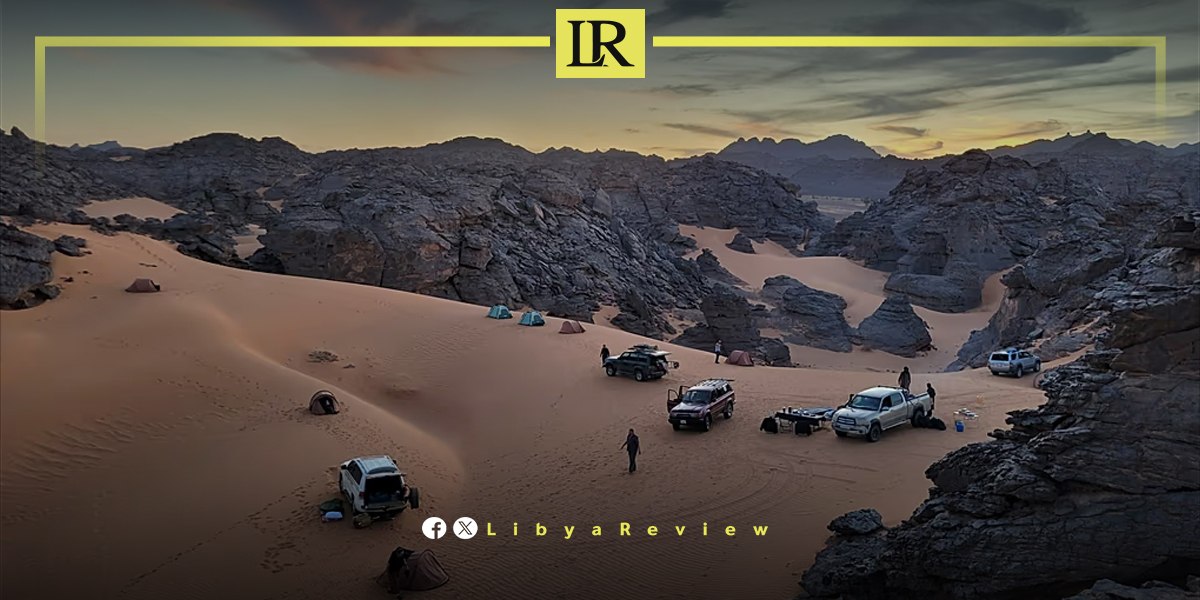
Tourism growth has not been limited to the capital. Adventure tourism operators have returned to southern and eastern Libya, organizing trips to desert oases, ancient cities, and UNESCO-listed heritage sites including Cyrene, Ghadames, the Acacus Mountains, and Ghat. One international adventure tourism company reported a 200 percent increase in bookings to Libya over the past 12 months, with early reservations for 2026 already exceeding levels seen two years ago.
Despite this momentum, Euronews cautioned that Libya remains a challenging destination. Visitors often require security escorts, advance permits, and specialized travel insurance, as the country is still subject to travel warnings from many governments. Logistical constraints and security considerations continue to limit spontaneous travel.

