
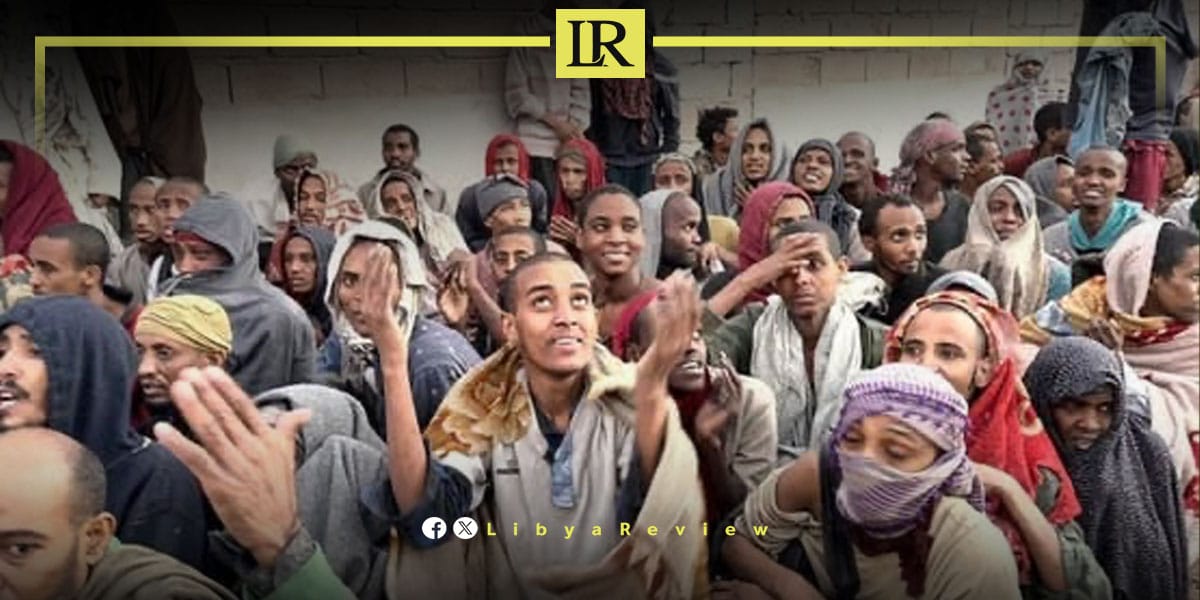
Libyan security authorities in the southern city of Kufra have freed 221 migrants who were held for nearly two years in a secret underground prison under extremely poor humanitarian conditions, according to local security and human rights sources.
The operation led to the discovery of an illegal detention site buried around three metres underground and allegedly operated by a Libyan human trafficking network. The facility was uncovered during a security raid that resulted in the release of men, women, and children who had been confined without legal process.
Initial findings indicate that the migrants endured prolonged detention in overcrowded and unsanitary conditions, with limited access to food, water, and medical care. More than ten detainees were transferred to hospital in critical condition to receive urgent treatment, while authorities began investigations into those responsible for running the site.
The incident comes amid growing concern over the spread of clandestine detention centres operated by armed groups and smuggling gangs across Libya. Such networks routinely abduct migrants, subject them to abuse and torture, and extort their families for ransom, exploiting the absence of effective oversight in remote areas.
The Kufra discovery follows a separate case in eastern Libya, where authorities recently uncovered a mass grave containing at least 21 migrants of various African nationalities on a farm near Ajdabiya. Investigations are ongoing to determine whether the victims died from neglect, starvation, or were deliberately killed by trafficking gangs.
These cases highlight the persistent dangers faced by irregular migrants travelling through Libya in hopes of reaching Europe via the Mediterranean. Many are exposed to violence, forced detention, and systematic exploitation at the hands of organised criminal networks.
Despite repeated local and international warnings, human trafficking remains deeply entrenched, particularly along desert routes in southern Libya. Security officials say dismantling these networks requires sustained operations, judicial accountability, and stronger coordination with humanitarian organisations to protect victims and prevent further abuses.

