
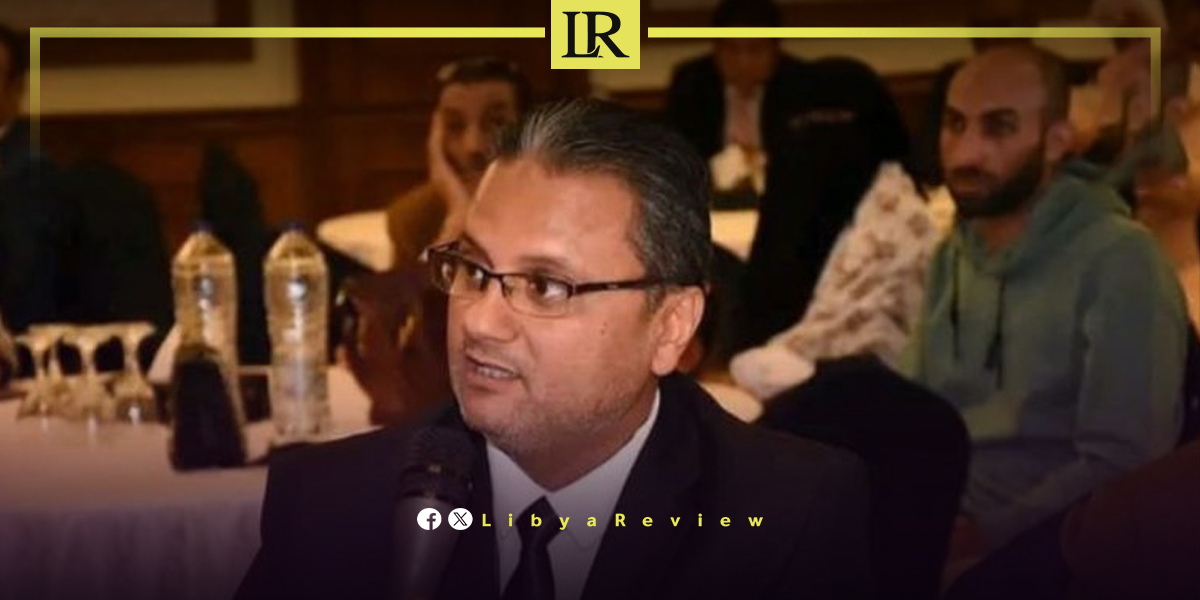
The city of Benghazi is finalizing preparations to host the Second International Forum on Applications of Artificial Intelligence in Training, Teaching, and Scientific Research, scheduled to take place on January 28–29, 2025, under the theme “Artificial Intelligence Between Use and Ethical Responsibility.” The event will bring together leading academics, experts, and researchers from Libya and abroad.
Dr. Ahmed Naseeb, Vice Chair of the Preparatory Committee and Head of the Recommendations Committee, said the forum represents a major national and international scientific event and is considered the first of its kind in Libya to integrate scientific, practical, and ethical dimensions of artificial intelligence in a single platform. He noted that the forum marks an important step toward integrating advanced technologies into education, training, and research systems.
Naseeb explained that the forum is being organized within the framework of a scientific partnership between the Libyan and International Coalition and the University of Benghazi, reflecting a serious drive to strengthen academic cooperation, engage with leading international experiences, and exchange expertise in the field of artificial intelligence and its diverse applications.
He pointed out that the rapid development of artificial intelligence technologies has brought about profound transformations in innovation concepts and work methods, contributing to improved efficiency in educational and research institutions, the advancement of personalized learning, and the enhancement of data analysis. However, he stressed that this progress also raises ethical and legal challenges that require clear regulatory frameworks to ensure responsible use, protect privacy, and guarantee fairness.
The forum aims to provide a scientific platform to discuss the latest AI applications in education, training, and scientific research, showcase successful experiences, highlight ethical and legal considerations, and produce practical recommendations that contribute to building digital capacities and achieving sustainable development. Dr. Naseeb concluded by inviting academic institutions, researchers, and experts to participate actively in order to enrich the discussions and help shape future-oriented visions for education and scientific research in Libya.

