
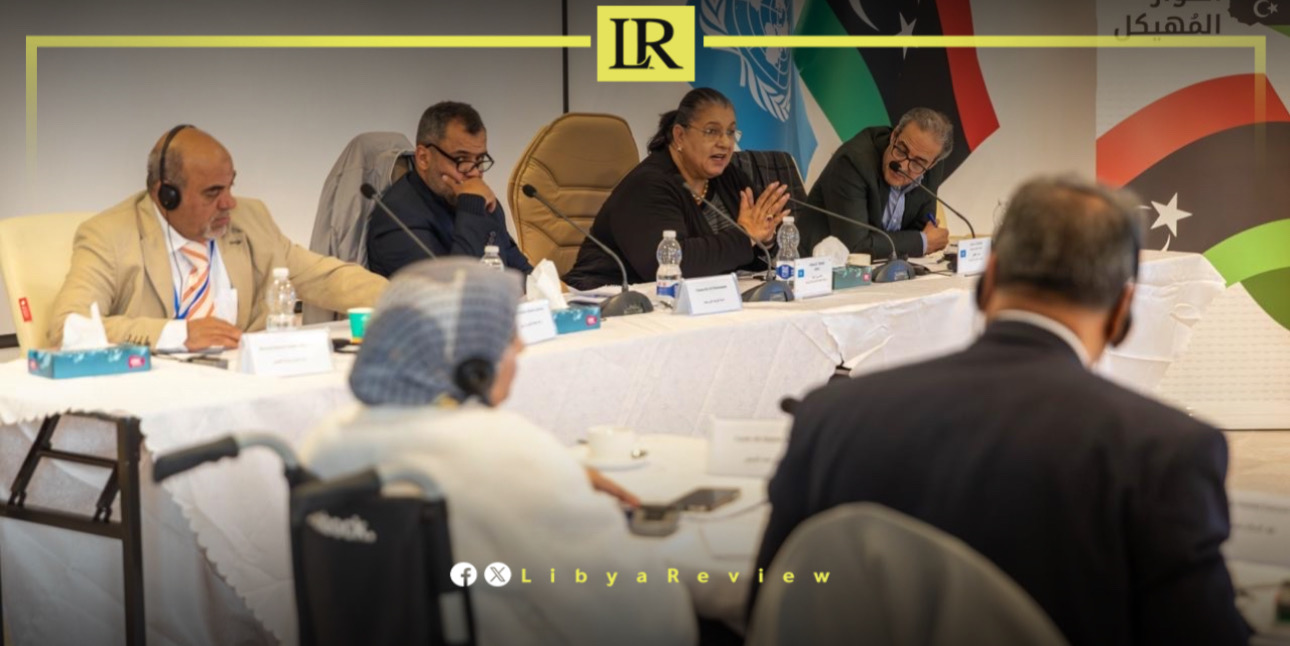
The United Nations Support Mission in Libya (UNSMIL) has confirmed that it is holding discussions with more than ten countries to secure additional funding to support the structured political dialogue it is facilitating as part of efforts to move Libya toward elections and an end to the prolonged transitional period.
In written responses addressing questions about its political roadmap, the UN mission explained that its core funding, like that of all UN political missions worldwide, comes from mandatory contributions paid by the organization’s 193 member states under decisions adopted by the UN General Assembly. Libya, the mission noted, is itself among the countries that contribute to this funding framework.
UNSMIL clarified that its regular budget is complemented by voluntary donor contributions, which are used to address funding gaps and support specific activities, including dialogue initiatives designed to help Libyan stakeholders reach political consensus. The mission said it is currently engaged in talks with more than ten countries willing to contribute financially to sustaining the structured dialogue process.
According to the mission, all donor contributions are pooled into a single fund and managed under strict United Nations financial regulations and oversight mechanisms. These rules, it said, ensure transparency, accountability, and proper monitoring of how funds are allocated and spent, in line with UN standards.
The mission strongly rejected claims that donor states influence the political process in Libya. It stressed that no contributing country has any role in shaping the agenda, selecting participants, or determining the outcomes of the dialogue. UNSMIL reiterated that the political process remains Libyan-led and Libyan-owned, with the United Nations acting solely as a neutral facilitator.
The mission reaffirmed its commitment to neutrality, transparency, and respect for Libyan sovereignty, stating that adequate and predictable funding is essential to sustaining political engagement and preventing further stagnation.
UNSMIL added that it will continue working with Libyan institutions and stakeholders to support a political process that reflects the will of the Libyan people and contributes to long-term stability and institutional legitimacy.

