
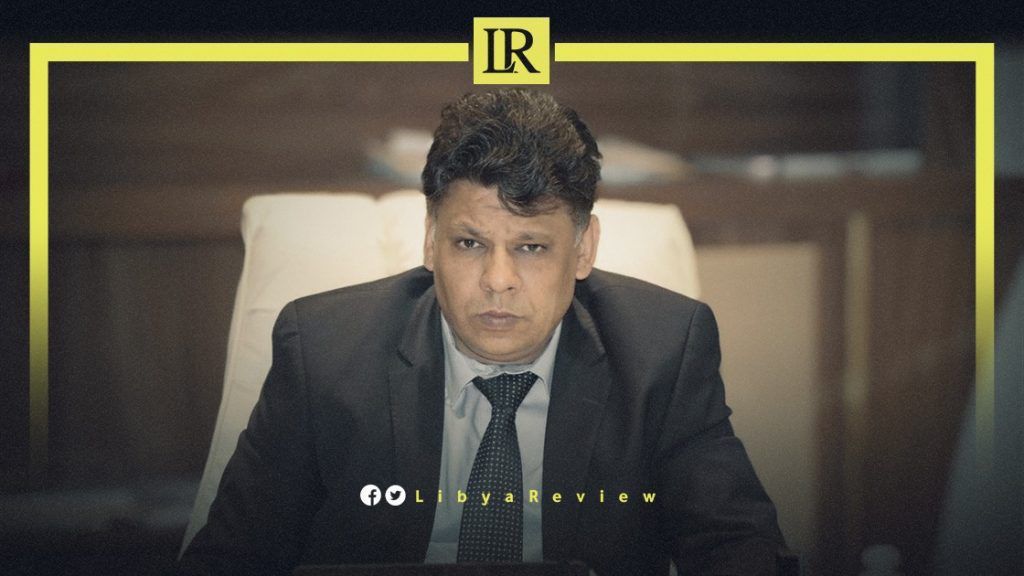
Libya’s Attorney General Al-Siddiq Al-Sour said that nearly 70 percent of fuel and petroleum derivatives distributed in the country are being diverted to individuals and entities without legal entitlement, describing the situation as one of the most serious forms of public fund abuse facing Libya today.
Al-Sour explained that fuel in Libya is heavily subsidized by the state and imported at high international prices, yet the quantities brought into the country exceed actual domestic consumption needs.
He said investigations by the Public Prosecution confirmed that this excess is largely the result of systematic diversion, corruption, and organized smuggling networks that exploit the subsidy system for profit.
According to the Attorney General, large volumes of gasoline and diesel are being allocated to individuals who do not own fuel stations, storage facilities, or legitimate distribution outlets. These quantities are either smuggled directly to neighboring countries and other African states or sold illegally on the domestic black market, depriving the state of billions of dinars annually.
Al-Sour revealed that prosecutors uncovered a case involving a fake solvents factory that was used as a cover to obtain fuel allocations. The alleged owner has fled to Tunisia, while three Jordanian nationals were reportedly brought into Libya on a weekly basis to receive fuel shipments, despite the absence of any real industrial activity at the site.
He also disclosed the existence of parallel security entities that receive fuel outside official channels and subsequently smuggle it beyond Libya’s borders. These findings, he said, demonstrate the depth of institutional abuse and the complexity of fuel smuggling operations operating across the country.
The Attorney General stressed that fuel smuggling is not merely an economic crime but a direct assault on public welfare and national sovereignty. He warned that the continued loss of subsidized fuel worsens shortages, strains public finances, and fuels broader corruption.

