
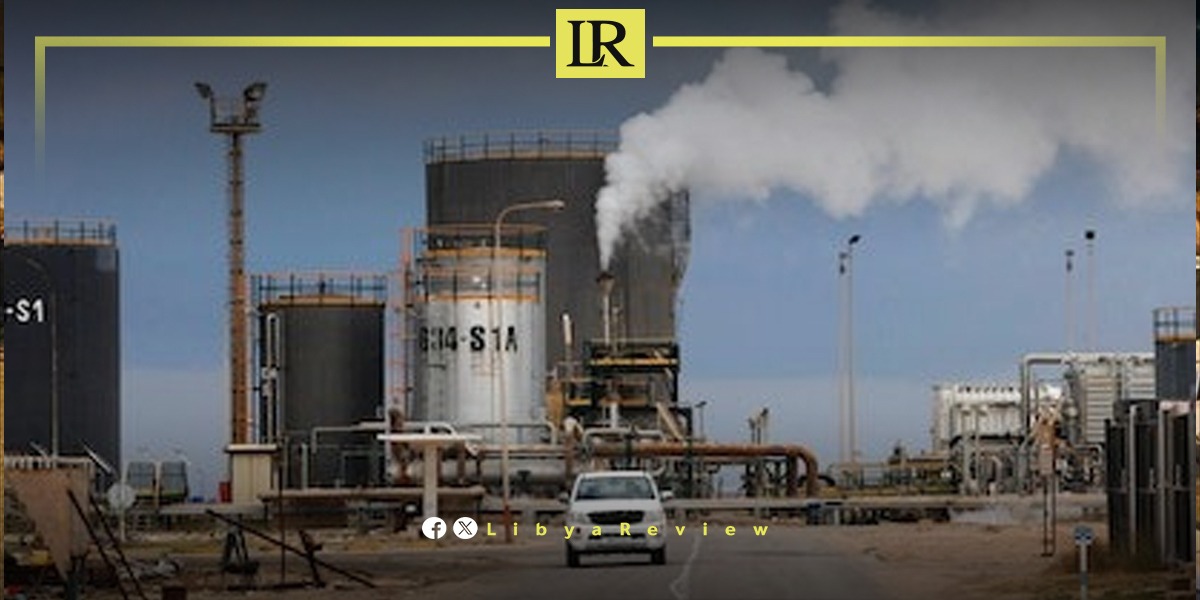
Libya has reopened its oil sector to foreign investment for the first time in nearly two decades, marking a major shift aimed at revitalizing the country’s most vital industry and attracting international energy companies after years of political instability and security disruptions.
According to a report by Bloomberg, several major global oil companies have been prequalified to participate in Libya’s upcoming licensing round scheduled for 2026. The move reflects renewed interest in Libya’s hydrocarbon potential, driven by favorable geology, high-quality low-cost crude, and substantial gas reserves that continue to attract investors despite lingering political and legal uncertainty.
Data cited by energy consultancy Enverus show that Libya holds the largest hydrocarbon reserves in Africa. Its oil fields are among the lowest-cost globally, with some capable of breaking even at prices as low as $27 per barrel. This cost advantage has encouraged international companies to reconsider investment risks in exchange for potentially strong long-term returns.
Bloomberg noted that Libya’s push comes amid a broader regional effort to revive upstream investment. Algeria issued its first oil licenses in nearly a decade last year and plans another bidding round in 2026, while Egypt and Tunisia are also working to attract foreign energy firms to boost production and revenues.
Libya’s planned 2026 licensing round is widely seen as the strongest signal yet of a gradual recovery in its oil sector. It coincides with negotiations to restart long-idled wells and rehabilitate aging infrastructure. Libya has reportedly entered discussions with major energy firms including ExxonMobil, Chevron, and TotalEnergies. Meanwhile, BP and Shell have signed preliminary agreements to support production increases at some of Libya’s largest fields.
Investment interest is also expanding beyond traditional onshore assets. Companies are increasingly assessing deepwater prospects in the Mediterranean and shale-like formations in the Ghadames–Berkine Basin along the Libyan-Algerian border, opening new opportunities for future growth.
Despite ongoing political challenges, Libya’s decision to reopen its oil sector signals a strategic effort to restore output, modernize infrastructure, and reassert its role as a key supplier in regional and global energy markets.

