
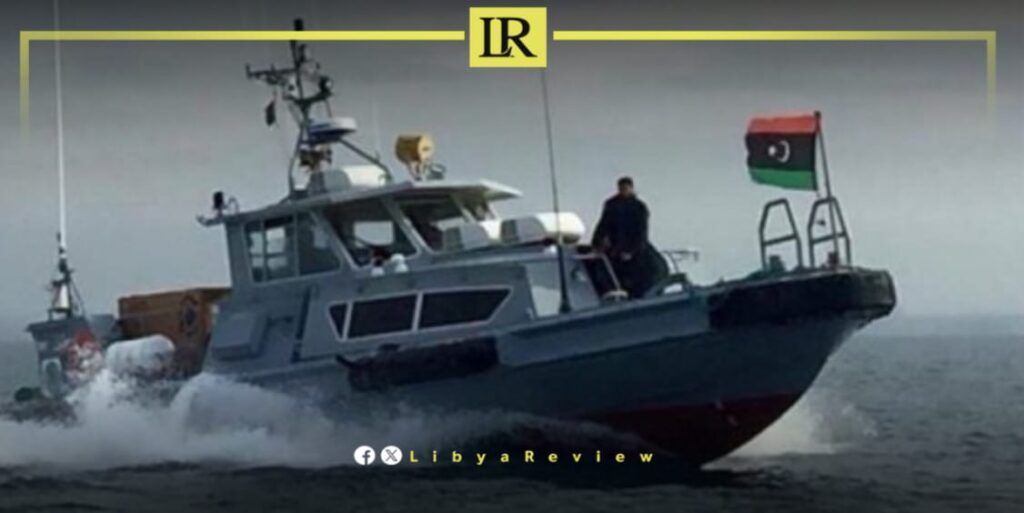
Reports emerging at the beginning of January suggested that the European Union is planning to fund the construction of a Maritime Rescue Coordination Centre (MRCC) in Benghazi, eastern Libya, according to the migration-focused news platform InfoMigrants. The reports quickly drew attention from migrant rights organisations and humanitarian groups operating in the Mediterranean.
InfoMigrants contacted the European Commission to seek clarification following a report published by the German left-leaning newspaper nd, which claimed that the EU had pledged at least three million euros to support the establishment of the centre. The report indicated that the planned MRCC would form part of broader cooperation between the EU and Libyan authorities on migration management.
Several non-governmental organisations, including Statewatch and Mediterranea Saving Humans, highlighted the report on their websites and social media channels, raising concerns about the potential implications for migrants attempting to cross the Mediterranean from Libya. These groups have long criticised EU cooperation with Libyan authorities, particularly regarding interceptions at sea and returns to Libya.
If established, the Benghazi MRCC would operate under agreements originally drawn up in 2017. The centre would be responsible for monitoring a designated search and rescue zone in the eastern Mediterranean. Vessels operating in this area would be required to report sightings of migrant boats and any rescue operations to the centre and follow its instructions regarding rescue coordination.
Under such arrangements, coast guard units operating under the authority of the Benghazi MRCC would be able to intercept migrant boats and return those on board to Libya. A similar system already exists in western Libya, where the Tripoli-based MRCC operates under the authority of the UN-recognised government.
An EU spokesperson confirmed to InfoMigrants that the bloc had “planned around three million euros in funding” for the Benghazi centre, while stressing that no operational work had yet begun. The spokesperson said the project would aim to improve coordination of Libyan coast guard search and rescue activities in eastern Libya, in line with international agreements and standards.

