
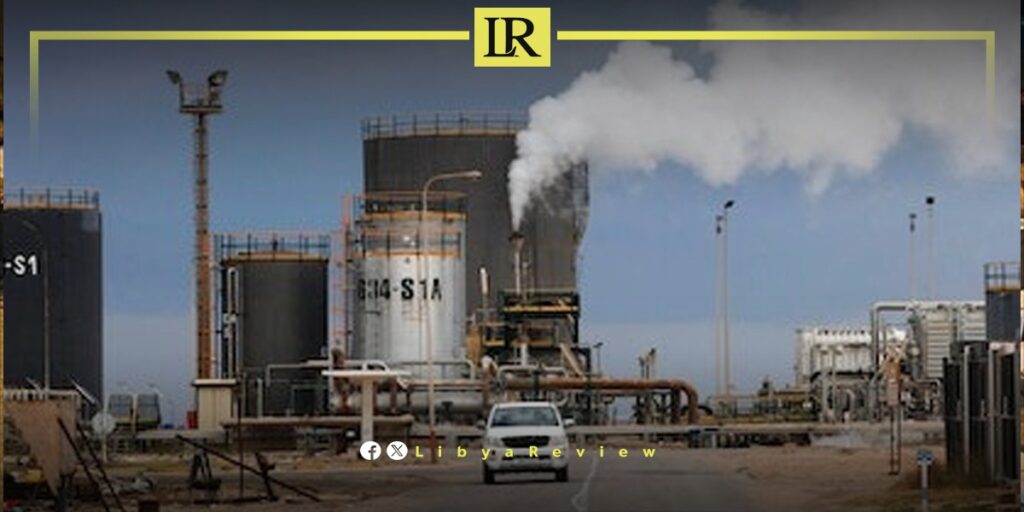
US energy giant Chevron has confirmed that it is holding talks with the governments of Libya and Iraq to assess existing oil fields currently in production and evaluate potential exploration opportunities, signalling renewed international interest in Libya’s energy sector.
Chevron chief executive Mike Wirth said the company was engaging with both countries to study available assets and long-term prospects, stressing that any decision would depend on the clarity and viability of investment returns. His comments were reported by Reuters.
The talks come as major global energy companies gradually return to Libya after years of conflict disrupted production and deterred foreign investment. Libya, which holds Africa’s largest proven oil reserves, has been working to improve investment conditions and stabilise output amid ongoing political divisions.
Industry analysts say Libya’s existing oil infrastructure and relatively low production costs continue to attract international firms, particularly as global demand remains resilient. However, companies remain cautious, citing security concerns, contractual frameworks and the need for predictable governance.
Wirth noted that Chevron, like other Western oil majors, requires clear fiscal terms and operational stability before committing capital. This cautious approach contrasts with Asian and Russian energy companies, which have shown a greater tolerance for risk in volatile markets.
Libya and Iraq, both heavily affected by years of conflict, have recently offered more flexible terms to attract foreign partners. This shift has encouraged companies such as ExxonMobil, BP, TotalEnergies and Chevron to reassess their positions and consider new investments in oil and gas development.
For Libya, renewed engagement from Chevron could support efforts to modernise ageing fields, increase production capacity and stabilise state revenues, which rely heavily on hydrocarbons. Officials hope that attracting major international firms will also bring technical expertise and long-term investment.
While no agreements have been announced, the talks highlight Libya’s continued strategic importance in global energy markets and the growing competition among international oil companies seeking access to its vast resources.

