
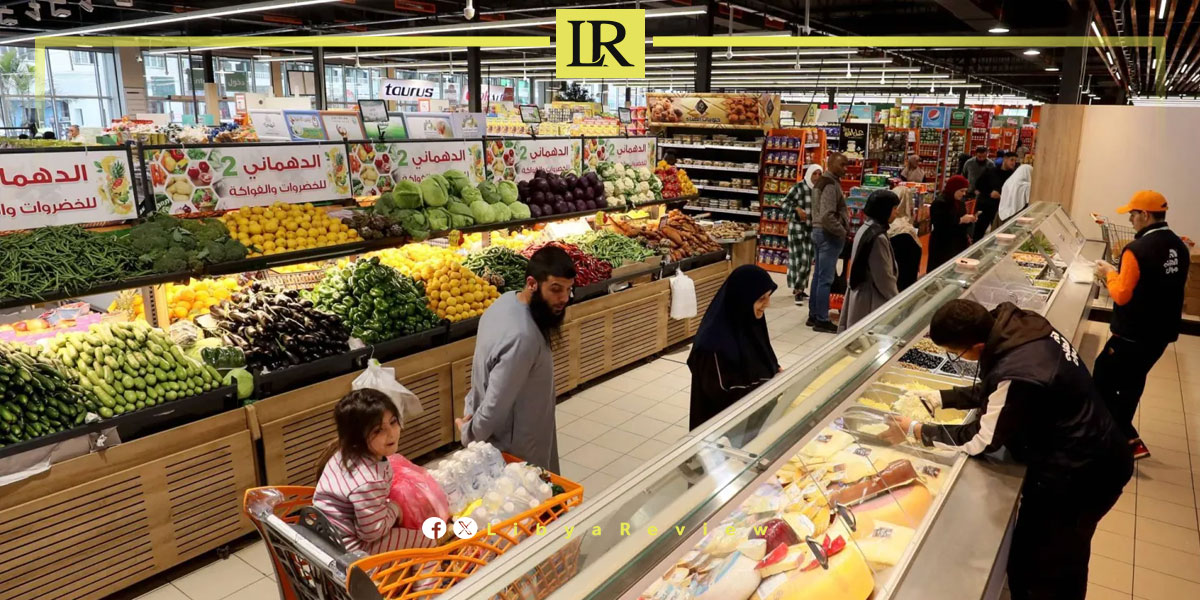
As Libya approaches the holy month of Ramadan, day-to-day concerns have once again taken precedence over political developments, with rising prices and liquidity shortages dominating public attention over recent political shocks.
In recent days, many Libyans have shifted their focus from the assassination of Saif Al-Islam Gaddafi back to pressing economic hardships.
The sharp increase in food prices, limited cash availability, and declining purchasing power have become the primary worries for households preparing for Ramadan, a period traditionally marked by higher spending on essential goods.
Against this backdrop, the country’s two rival governments have renewed efforts to position themselves closer to citizens. Both sides have spoken about tightening market oversight, stabilizing prices of key commodities, distributing financial grants, and announcing Hajj lottery results. These steps come as the UN Special Representative, Hanna Serwaa Tetteh, resumes consultations with Libyan political actors to move the stalled political process forward.
Ali Al-Suwaih, a member of the High Council of State, argued that public attention quickly returned to economic concerns because Saif Al-Islam had not been an active or decisive player on the ground. According to him, many citizens are more concerned with dignity and basic services—education, healthcare, and security—than with political rivalries.
However, many Libyans say the recent 14.7 percent adjustment in the dinar’s exchange rate has further weakened purchasing power, even as the official rate stands at around 6.30 dinars per dollar.
Political analyst Mohamed Mahfouz believes Saif Al-Islam’s absence from active politics in recent years limited the broader impact of his death on public priorities. By contrast, Asaad Zahio of the National Union of Libyan Parties argues the assassination could still affect the political landscape, particularly once investigation results are announced.
Yet for now, with Ramadan approaching and economic pressures mounting, bread-and-butter issues appear to outweigh politics in the minds of most Libyans.

