
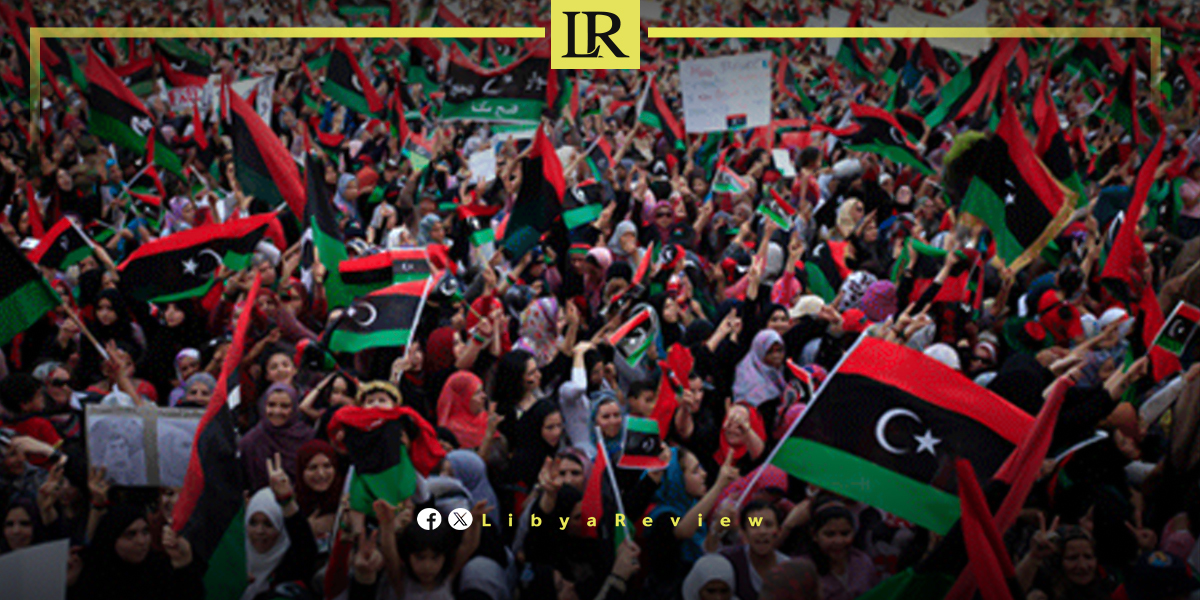

Libya Marks February Revolution Anniversary as Parliament Calls for Reconciliation and State Council Warns Against Undermining Popular Will
Libya’s political institutions have issued contrasting but interconnected messages on the 15th anniversary of the February 17 Revolution, with the country’s parliament urging national reconciliation while the High Council of State cautioned against attempts to bypass the will of the Libyan people.
In a statement marking the anniversary, the Libyan House of Representatives called for unity and the consolidation of reconciliation values, stressing the need for collective action to move the country toward stability and development after years of division. The parliament emphasized that only coordinated efforts among all Libyan parties can end political fragmentation and restore normal state institutions.
The statement, published via the official Facebook page of parliamentary spokesperson Abdullah Blihiq, congratulated Libyans on the occasion and paid tribute to those who lost their lives during the 2011 uprising. It described their sacrifices as part of the struggle for freedom and the establishment of a state based on the rule of law and strong institutions.
The House of Representatives reaffirmed its commitment to continuing work aimed at meeting citizens’ aspirations for security, stability, and improved living conditions, presenting the anniversary as a moment to renew national responsibility rather than deepen political disputes.
In a parallel address, Mohamed Takala, head of the Libyan High Council of State, warned of the dangers that often follow revolutions, arguing that the most serious threat lies in efforts to circumvent popular will and strip institutions of their true role.
Takala stressed that legitimacy cannot be gained through unilateral decisions or imposed by force. Instead, he said, it must be derived from the free will of citizens, respect for political agreements, and adherence to constitutional principles.
He added that safeguarding the goals of the February Revolution requires commitment to a consensus-based political path and the rejection of any unilateral steps that could deepen divisions or threaten national unity. Takala called for prioritizing the national interest and working within an inclusive constitutional framework capable of delivering lasting stability across Libya.