
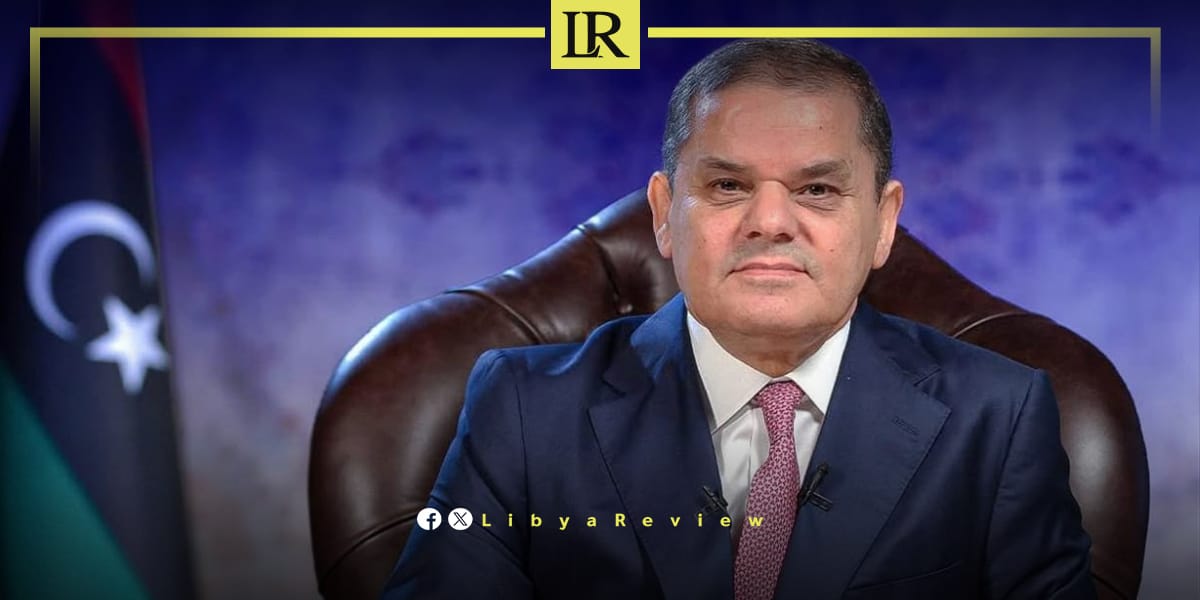
Libya’s political scene has been stirred once again after Abdel-Hamid Dbaiba, head of the Government of National Unity (GNU), announced that details of an anticipated cabinet reshuffle will be revealed during the next Council of Ministers meeting, without specifying a date.
Dbaiba said the planned changes aim to “develop government performance and address gaps in some portfolios”, presenting the reshuffle as a technical step rather than a political move. He stressed that the GNU was formed under “complex political and security circumstances” and argued that the current phase requires adjustments to fill vacant ministries and “inject new blood” into the executive.
The prime minister praised ministers who served during the previous period, while insisting that the reshuffle would pursue “specific and carefully studied objectives”. According to Dbaiba, the upcoming changes will include “well-known figures” with the competence and ability to assume frontline responsibilities, suggesting continuity rather than a complete overhaul.
However, Dbaiba also appeared to respond to critics who view the move with suspicion. He warned against what he described as a “negative narrative” linking the reshuffle to demands for elections, saying that Libyans’ right to vote and end transitional phases should not be misused to undermine government actions.
The announcement comes amid prolonged political deadlock and growing public frustration over delays to national elections. On 16 December, the interim GNU officially confirmed for the first time that it was studying ministerial changes, framing the initiative as a way to strengthen institutional performance and broaden consensus.
Despite these assurances, the lack of a clear timetable and the continued absence of an electoral roadmap have fuelled scepticism. Critics argue that repeated references to reform and performance improvement have become familiar themes during Libya’s extended transitional period, often without tangible outcomes.
As Libya remains divided between rival institutions and competing claims to legitimacy, any move by the GNU is likely to be scrutinised for its political implications. The proposed reshuffle, while presented as administrative, risks deepening mistrust at a time when many Libyans are demanding clarity, accountability and a definitive path towards elections.
Observers say the key question is whether Libya truly needs a cabinet reshuffle at this stage, or whether the move represents a political manoeuvre by Dbaiba to buy time. Critics argue that reshuffling ministers does little to address the core crisis of legitimacy facing the Government of National Unity, whose mandate was meant to be temporary. With elections repeatedly postponed, some analysts believe the reshuffle could be used to repackage the government and deflect pressure for a clear electoral timeline.

