
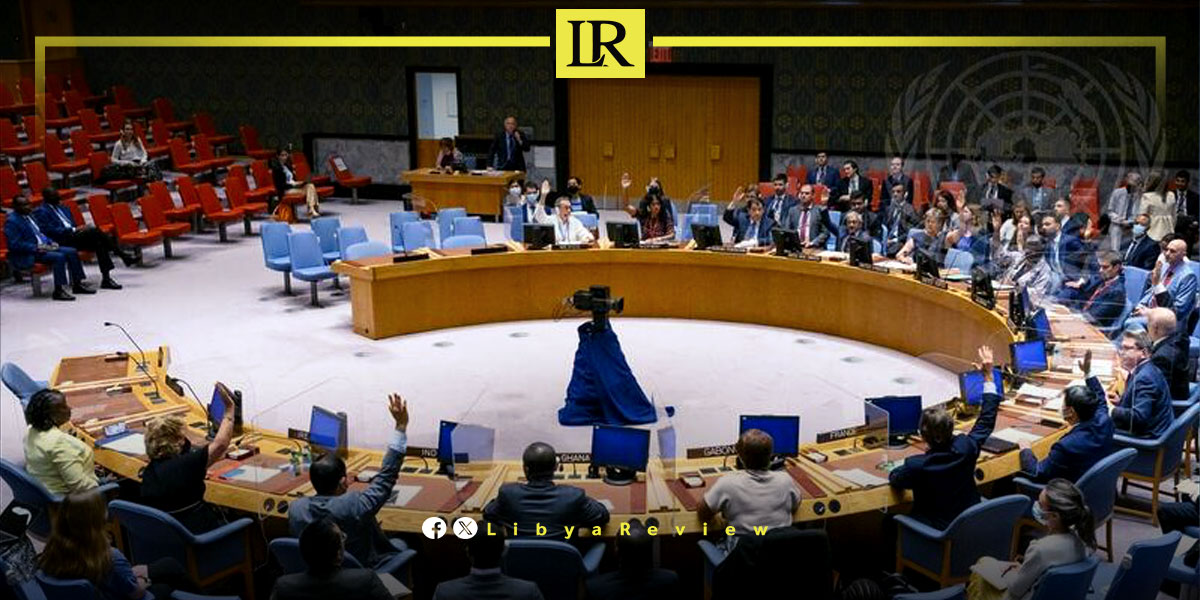
Members of the United Nations Security Council have reaffirmed their full support for Hanna Serwaa Tetteh, the Special Representative of the UN Secretary-General and head of the United Nations Support Mission in Libya (UNSMIL), while encouraging renewed efforts to advance Libya’s stalled political process.
In a statement following discussions on the situation in Libya, Security Council members expressed strong backing for Tetteh’s mediation efforts and the diplomatic initiatives she has been leading to revive dialogue among the country’s competing political actors. The council also reiterated support for the roadmap she presented in August 2025, which aims to move Libya toward a comprehensive political settlement and national elections.
The council called on all Libyan parties to engage seriously and without delay in the political process, stressing the importance of demonstrating genuine political will and readiness to reach compromises that could help end the country’s prolonged transitional period. Members also warned against unilateral steps that could deepen institutional divisions or undermine efforts to achieve national reconciliation.
Security Council members emphasized the urgent need to make progress toward unifying Libya’s key state institutions, including military and security bodies. They also highlighted the importance of preserving the unity and independence of the judicial system, which remains essential for maintaining the rule of law and strengthening state institutions.
In addition, the council urged Libyan authorities to move forward with implementing a unified national development program and approving a unified state budget. Ongoing political disputes between rival institutions have continued to delay these measures, contributing to financial uncertainty and economic pressures in the country.
The Security Council further reaffirmed its respect for Libya’s sovereignty, independence, and territorial integrity, while calling on the international community to support the UN-led political process and avoid actions that could complicate mediation efforts.
Despite the renewed international backing for the UN mission, some Libyan political voices and observers have called for more decisive and effective international engagement. They argue that previous initiatives have not yet delivered tangible progress on the ground, leaving Libya’s political transition unresolved.

