
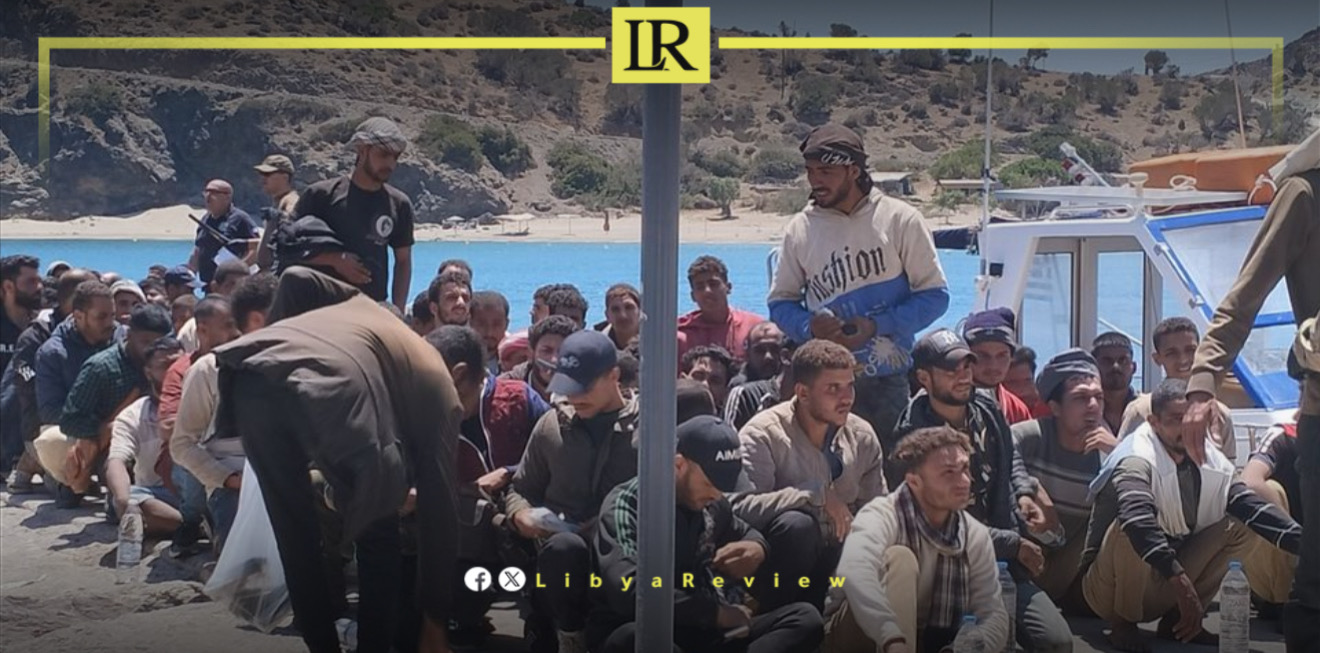
Around 200 migrants reached the Greek island of Crete in a single day after crossing the Mediterranean from Libya, highlighting growing concerns in Europe about migration routes departing from the North African country.
Greek authorities said the migrants arrived on Wednesday in four separate boats after departing from eastern Libya. Officials believe those on board had paid human smuggling networks to transport them across the Mediterranean toward Europe.
According to the United Nations, approximately 500 migrants had already reached Crete by boat earlier this year. With the latest arrivals, the total number of migrants landing on the island in 2026 has climbed to around 700 people.
Greek officials say the increase in arrivals from Libya has raised concerns about the reactivation of migration routes in the central Mediterranean. Thanos Plevris, Greece’s migration minister, warned that crossings from Libya have been rising since last year and called for a coordinated response from the European Union.
Speaking after a meeting of EU justice and interior ministers in Brussels, Plevris said he had discussed potential plans for establishing “return hubs” outside the EU with counterparts from Germany, the Netherlands, Austria, and Denmark. The proposal could involve building facilities in Africa where migrants whose asylum claims are rejected would be transferred before deportation.
The Greek Coast Guard reported that patrol vessels, including units from the EU border agency Frontex, were dispatched after boats carrying migrants were detected up to 46 nautical miles southeast of Crete. Merchant ships passing through the area also assisted in rescue operations.
Authorities said 136 migrants, most of them men, were rescued from small vessels in distress at sea. No injuries or missing persons were reported during the operations. In a separate incident, another group of 63 men was discovered on a beach on the island of Gavdos, located south of Crete.
Migration through the Mediterranean remains a major challenge for European authorities. Libya continues to serve as a key departure point for migrants attempting the dangerous journey to Europe due to its long coastline and the presence of smuggling networks operating along the North African migration route.

