
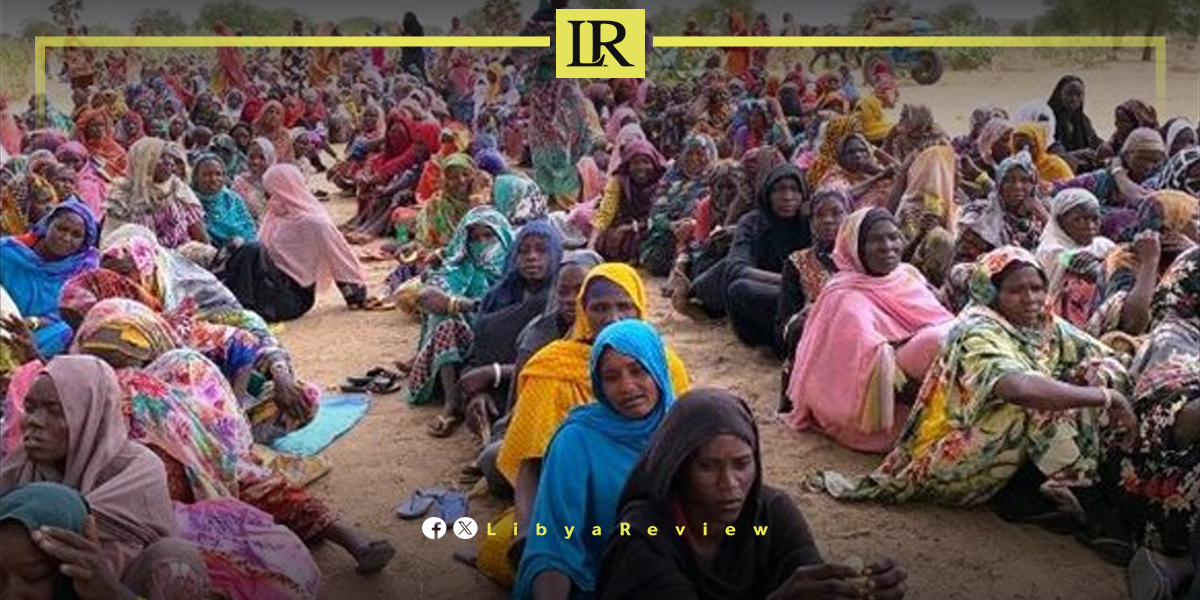
The United Nations High Commissioner for Refugees (UNHCR) has warned that recent changes to the registration procedures for Sudanese refugees in eastern Libya are making it harder for them to access humanitarian assistance and increasing their risk of arrest or deportation.
According to the UN agency, Libya has received a large influx of Sudanese refugees since the outbreak of conflict in Sudan in April 2023. By the end of 2025, an estimated 550,000 Sudanese had entered Libya, many of them in urgent need of humanitarian support and protection.
UNHCR said it has registered approximately 89,153 Sudanese refugees at its registration center in Tripoli. Women and children make up the majority of the displaced population, accounting for about 63 percent, while school-aged children represent roughly 27 percent of those registered.
In southeastern Libya, between 40,000 and 45,000 Sudanese refugees are currently believed to be living in the city of Kufra. However, the limited availability of jobs and basic services has pushed many refugees to move toward larger urban centers such as Ajdabiya, Benghazi, and Tripoli in search of better living conditions and educational opportunities for their children.
UNHCR explained that the registration process differs between Libya’s regions. In western Libya, refugees and asylum seekers are registered directly by the agency, while authorities in eastern Libya oversee the process there. Previously, refugees who obtained security registration cards issued by eastern authorities were able to access certain public services in eastern and southern parts of the country.
However, the agency noted that the registration system in eastern Libya experienced significant disruptions throughout 2025. New requirements introduced recently now oblige refugees to provide official documents, secure a Libyan sponsor, and pay a registration fee of 500 Libyan dinars per person.
UNHCR said these conditions make it difficult for many refugees to register, leaving them without access to humanitarian assistance and exposing them to the risk of detention or deportation. Refugees must also undergo medical screenings to confirm they are free from contagious diseases, otherwise they may face removal.
The agency added that reduced humanitarian funding has further worsened conditions for many Sudanese refugees, leaving some in extreme poverty and prompting others to attempt dangerous migration routes across the Mediterranean.

