
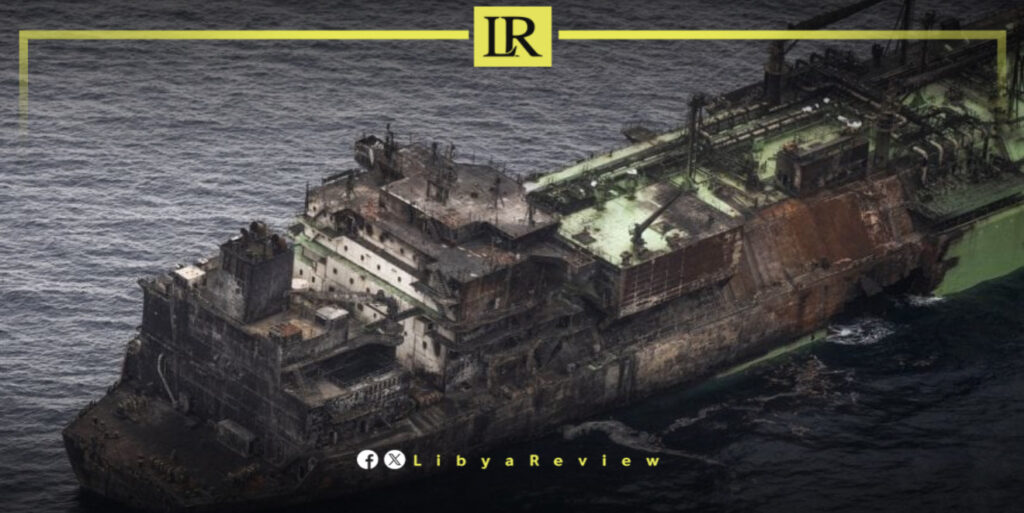

A member of Libya’s parliament has called for an immediate and comprehensive investigation into the recent attack on a Russian tanker near Libya, raising concerns over national preparedness and sovereignty.
Miloud Al-Aswad questioned how the incident occurred and who was responsible, stressing the need for accountability. In remarks to Independent Arabia, he warned against Libya becoming a stage for proxy conflicts, saying such developments threaten national stability.
The lawmaker criticised what he described as a clear failure in the country’s ability to manage emergencies, particularly environmental crises. He noted that the tanker incident exposed serious gaps in Libya’s response systems, including the absence of a coordinated emergency plan and effective early warning mechanisms.
Al-Aswad added that Libya lacks the necessary infrastructure and operational readiness to deal with large-scale maritime incidents, despite its strategic location along key Mediterranean shipping routes. He said the situation forced authorities to rely on foreign companies for assistance, highlighting the urgency of strengthening domestic capabilities.
The MP also pointed to recent efforts by the Libyan Ministry of Environment to develop a national environmental emergency plan. However, he noted that the plan has yet to be activated, raising questions about implementation and institutional coordination.
The incident involving the damaged tanker has sparked wider debate about Libya’s readiness to respond to environmental threats, particularly those linked to offshore energy transport. Experts warn that any delay in response could have serious consequences for marine ecosystems and coastal communities.
Observers say the call for an investigation reflects growing pressure on Libyan authorities to improve crisis management frameworks and ensure that similar incidents are handled more effectively in the future.
As Libya navigates ongoing political and security challenges, officials face increasing scrutiny over their ability to safeguard national interests and respond to emerging risks in a volatile regional environment.