
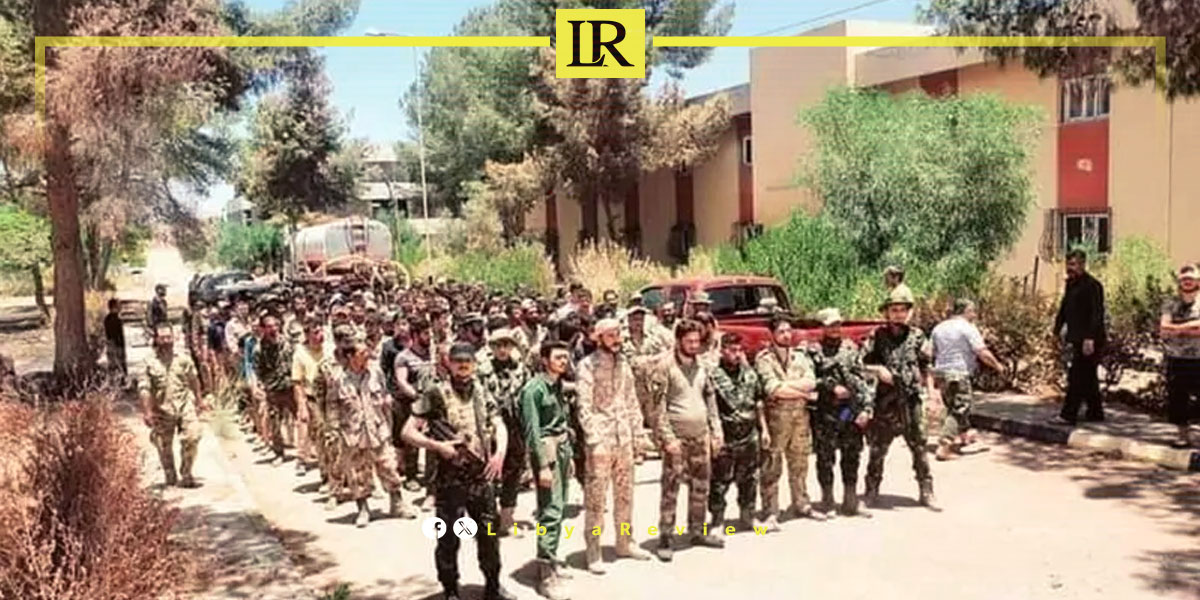
The continued presence of foreign fighters and mercenaries remains one of the most significant security challenges facing Libya, contributing to internal instability and expanding the country’s role in wider regional conflicts. Despite repeated international calls for their withdrawal, these groups remain entrenched across multiple regions.
According to reports linked to the United Nations, Libya has evolved into both a destination and a transit hub for foreign fighters. This dual role has intensified concerns about the country’s connection to neighboring conflicts, particularly in Sudan, where fighters have reportedly been transported through Libyan territory.
The persistence of these forces reflects the failure to implement key provisions of the 2020 ceasefire agreement signed in Geneva, which required the withdrawal of all foreign fighters by early 2021. More than five years later, the continued presence of these groups highlights the depth of Libya’s political and security divisions.
Syrian fighters remain among the most prominent foreign elements in Libya, particularly in western areas such as Tripoli and Misrata. Their deployment dates back to the 2019 conflict, when they were brought in to support forces in the west. Since then, they have become a consistent feature of the country’s fragmented security landscape.
Foreign fighters are also present in eastern and southern Libya, including areas under the control of the Libyan National Army. Analysts note that their numbers have remained relatively stable in recent years, suggesting that their withdrawal is unlikely without a comprehensive political settlement.
In addition to their presence inside Libya, the country has been used as a transit corridor for fighters moving to other conflict zones. Reports indicate that individuals from Latin America have passed through Libya en route to Sudan, raising concerns about cross-border networks and regional security implications.
Despite the scale of the issue, international efforts to address the presence of mercenaries have achieved limited progress. Observers argue that competing foreign interests and the absence of a unified political framework within Libya have allowed the problem to persist.

