

Akakus Oil Operations has resumed crude exports through its main pipeline following the completion of emergency maintenance work, marking a swift recovery for one of Libya’s key oil transport routes.
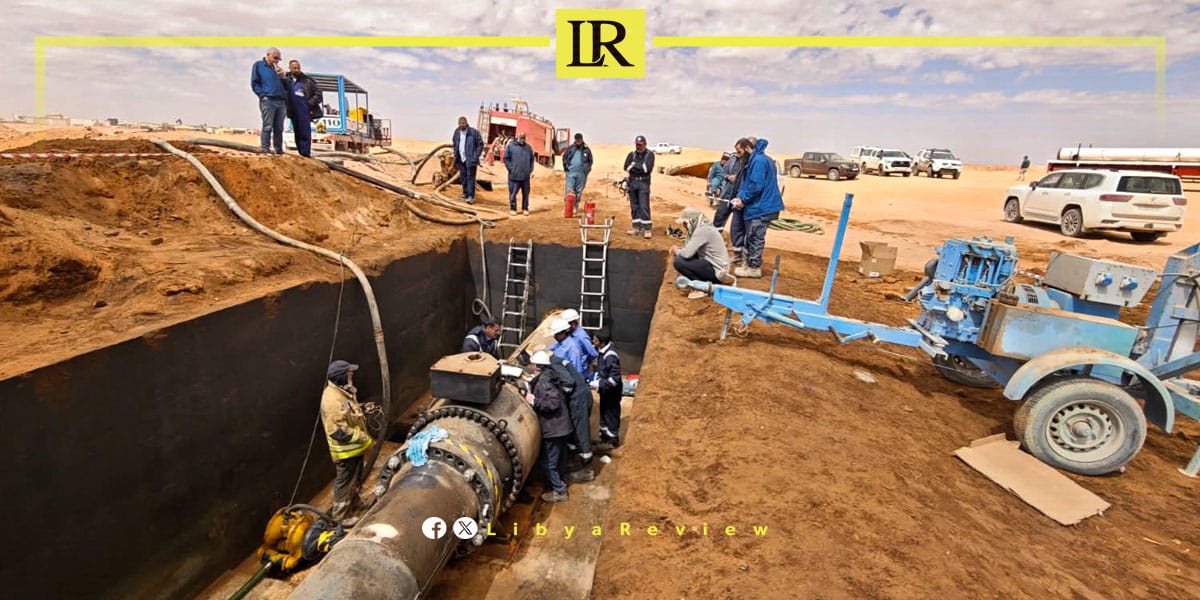
The company said exports restarted after repairs to valve 13 on the 30-inch export pipeline at the Marhan area, located around 538 kilometres along the route. The pipeline is a critical link for transporting crude to export terminals, making its restoration essential for maintaining output levels.
In a statement, Akakus said its technical teams, working alongside engineers from Sirte Oil Company, carried out inspections, identified faults and completed repairs within a short timeframe. The operation was conducted despite challenging field conditions, including the remote location and limited logistical resources.
The maintenance work included the full replacement of the damaged valve and the installation of additional support components for the pipeline. Officials said the repairs were carried out in line with engineering standards and safety requirements to ensure long-term operational stability.
The company highlighted the continuous efforts of technical and support teams, who worked around the clock to complete the repairs. The rapid response helped minimise disruption to production and exports, which remain a vital source of revenue for Libya.
The resumption of exports comes as Libya seeks to maintain steady oil output amid ongoing economic and political pressures. The oil sector remains central to the country’s economy, accounting for the majority of state income.
However, infrastructure challenges and operational risks continue to pose obstacles to consistent production levels. Industry observers note that maintaining pipeline integrity and responding quickly to technical issues are crucial for avoiding prolonged shutdowns.
Akakus expressed appreciation to its workforce and partner institutions, including the National Oil Corporation, for their coordination and support.
Officials said continued cooperation across the sector will be essential to sustain production and strengthen Libya’s energy stability.