
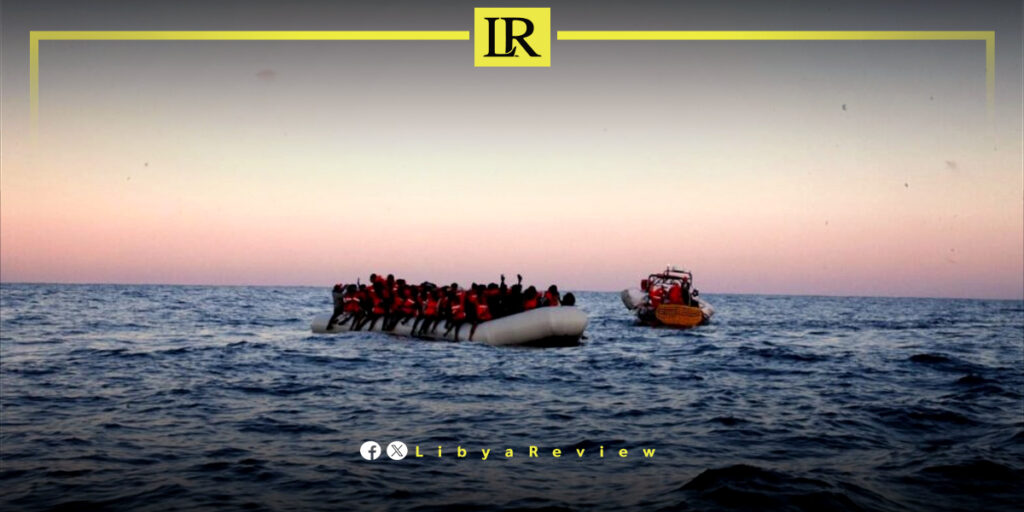
Nearly 1,000 migrants have died in the Mediterranean since the start of 2026, with most departures linked to Libya’s coastline, according to new data from the International Organization for Migration.
The agency reported at least 990 deaths, marking one of the deadliest periods since records began in 2014. The figures highlight a sharp rise in fatalities during the first three months of the year.
In the past two weeks alone, at least 180 people have died or gone missing in five separate shipwrecks. In the latest incident, a boat carrying around 120 migrants capsized in the central Mediterranean after departing from the Tajoura area in Libya. Only 32 people were rescued, while two bodies were recovered and more than 80 remain missing.
Other recent incidents include the discovery of 19 bodies on a drifting boat that had left the western Libyan coast near Zuwara and was later found near Lampedusa in Italy. Additional shipwrecks were reported off Crete, Sfax, and near Turkish waters.
An official from the International Organization for Migration said the central Mediterranean route remains the most dangerous migration corridor in the world. “These figures likely underestimate the real human toll, as many incidents go unreported,” the official said.
Libya continues to serve as a major transit hub for migrants attempting to reach Europe, despite ongoing security and economic challenges. Smuggling networks exploit instability, pushing vulnerable people onto unsafe boats.
For migrants, the risks remain severe. Many face overcrowded vessels, poor weather conditions, and limited rescue capacity, increasing the likelihood of fatal outcomes at sea.
The crisis also reflects broader issues in Libya, including weak border control and limited coordination between authorities. Efforts to curb migration have had mixed results.
Analysts warn that without stronger international cooperation and improved conditions inside Libya, the number of deaths could continue to rise. Authorities and aid groups are calling for urgent action to prevent further loss of life.

