
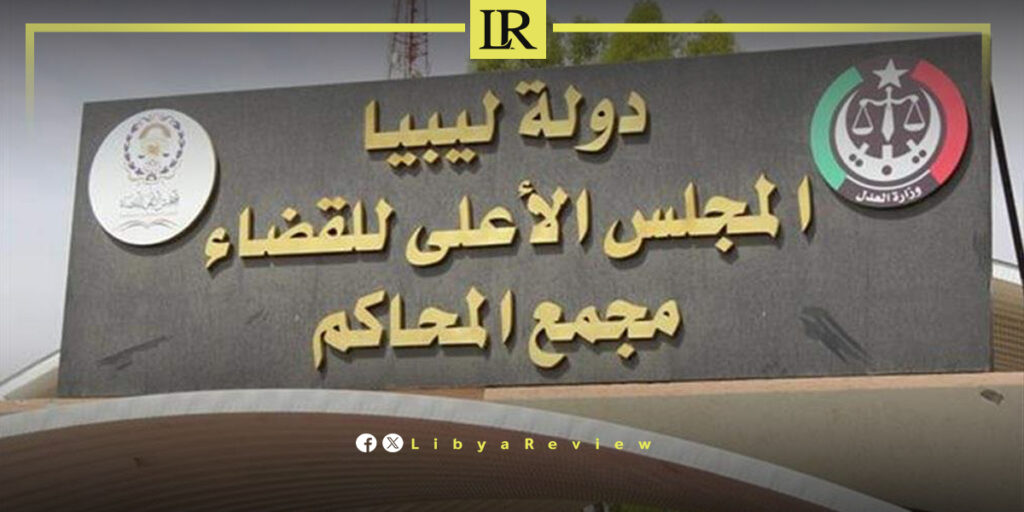

Libya’s judicial crisis has escalated after the Supreme Judicial Council criticised a statement issued by the United Nations mission, rejecting claims of an ongoing mediation effort to resolve disputes within the judiciary.
The UN mission had warned of growing divisions within Libya’s judicial institutions, stressing the need to preserve unity in a body seen as a cornerstone of national stability despite years of political fragmentation.
However, the Supreme Judicial Council said the UN statement contained inaccurate information. It denied the existence of any mediation committee, stating that the only known initiative aimed to prevent a ruling by the Supreme Court on the constitutionality of legislation governing the council. That ruling has since been issued, according to the council.
In its response, the council added that the committee referenced by the UN did not visit Benghazi and instead held meetings in Tripoli without involving legal experts or judicial figures from eastern Libya. This, it said, raised concerns over representation and transparency.
The dispute is rooted in tensions that intensified in late 2025 over constitutional jurisdiction. Competing legal authorities have emerged, with conflicting rulings issued by the Supreme Court in Tripoli and a newly activated Constitutional Court in Benghazi backed by the eastern-based parliament.
These developments have created serious legal contradictions, affecting key national issues and undermining confidence in the judicial system.
For citizens, the crisis risks delaying legal processes and weakening trust in institutions meant to uphold justice and the rule of law. Legal uncertainty may also impact economic decisions and governance.
The situation reflects Libya’s broader political divide, where rival authorities continue to operate in parallel structures across the country.
Analysts warn that continued fragmentation of the judiciary could deepen institutional paralysis and complicate any political settlement. Calls are growing for inclusive dialogue and clear legal frameworks to restore unity.
Officials have yet to outline a concrete roadmap to resolve the crisis, leaving the future of Libya’s judicial system uncertain.