
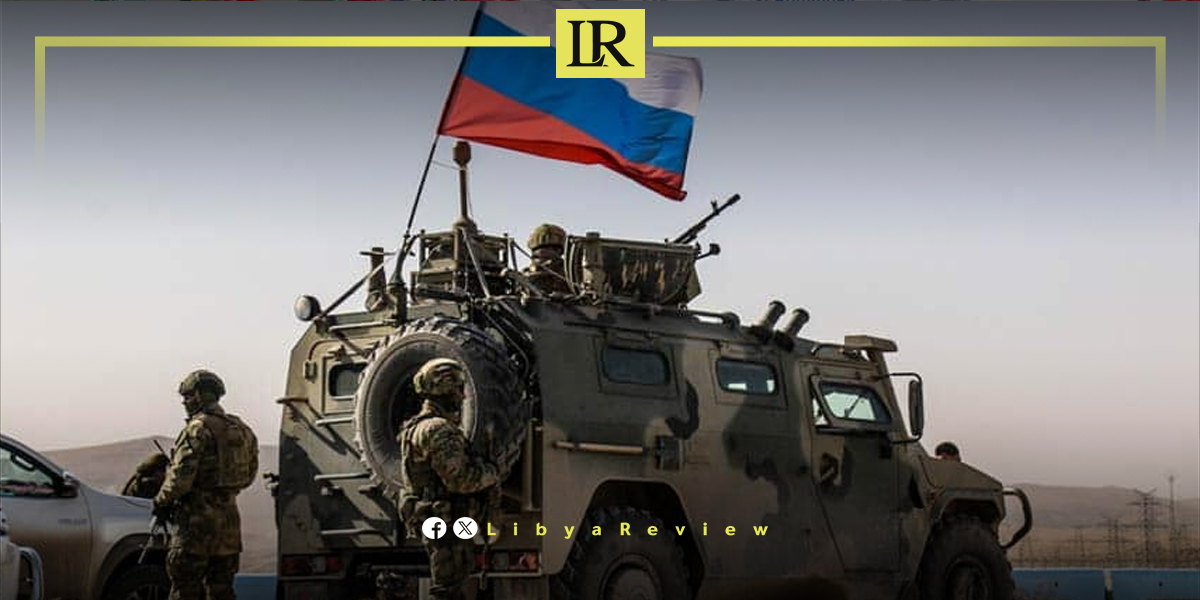

A report by the Congressional Research Service (CRS) has identified Libya as a key logistical hub for Russian activity in Africa, underscoring growing geopolitical competition between Moscow and Washington across the continent.
According to the report, Libya has gained strategic importance for Russia, particularly following recent developments in Syria, which had previously hosted a significant portion of Moscow’s military infrastructure. As a result, Russia has reportedly begun redistributing elements of its military presence, with Libya emerging as one of its primary operational centers in Africa.
The report indicates that Libya is now among the largest areas of Russian deployment on the continent, with the presence of personnel, logistical support networks, and facilities linked to military operations. It also highlights continued transfers of fighters associated with the so-called Africa Corps into Libya as recently as early this year, pointing to sustained efforts to reinforce Russia’s presence.
The report notes that Russia’s expanding footprint in Libya is raising increasing concern in Washington, particularly given Libya’s strategic position in North Africa and its ongoing political fragmentation. The country’s instability continues to create opportunities for external actors to expand their influence, further complicating the security landscape.
In response, the United States is pursuing what the report describes as a strategy of flexible engagement in Africa. This approach combines diplomatic efforts, military training, intelligence sharing, logistical support, and development assistance, with a focus on strengthening partnerships while limiting direct military involvement.
The report also emphasizes continued US support for United Nations efforts to unify Libya’s institutions and prevent the country from becoming a platform for armed groups or competing global powers.
It concludes that Libya’s instability presents a direct challenge to US and European interests, reinforcing the urgency of advancing political solutions and long-term stability.