
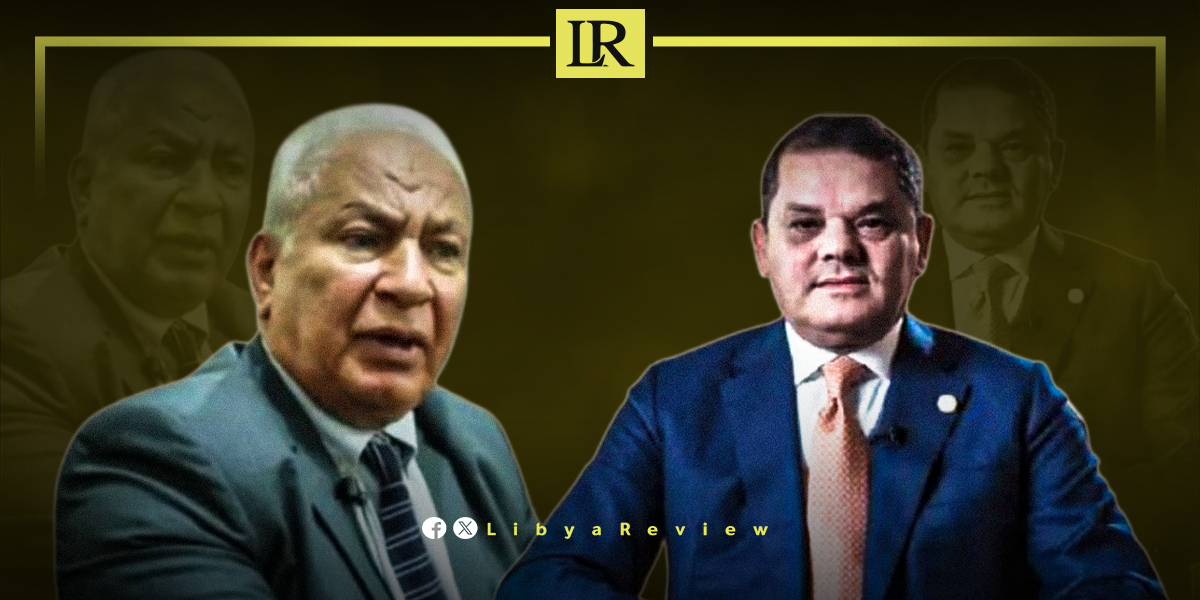
On Monday, Libyan Member of Parliament Ali Al-Tekbali accused Abdul Hamid Dbaiba, Prime Minister of the interim Government of National Unity, of being directly responsible for Libya’s financial collapse.
Tekbali’s criticism follows the announcement by Dbaiba’s Minister of Finance that the government borrowed 7 billion Libyan dinars to cover public sector salaries, a move Tekbali described as catastrophic and indicative of reckless financial mismanagement. He has called for the Attorney General to investigate all officials involved in what he labeled a national economic disaster.
The MP condemned the Finance Ministry’s claims about the state’s inability to cover salaries, calling them a blatant insult to the intelligence of Libyans. He argued that this narrative shifts responsibility for the crisis onto the public while ignoring the root causes.
Tekbali warned, “We have long cautioned against these policies—reckless spending, rampant oil smuggling, and manipulation of foreign currency. These irresponsible actions have led to the dire financial situation we face today.”
The accusations come as Libya continues to grapple with severe economic instability, exacerbated by political divisions, corruption, and resource mismanagement. Since the fall of Muammar Gaddafi in 2011, Libya has been mired in conflict, with rival governments and factions competing for power.
Dbaiba, who was appointed in 2021 as part of a UN-backed transitional process, was tasked with leading the country toward elections and addressing its pressing economic issues. However, his tenure has been marked by allegations of corruption, delays in elections, and increasing public frustration over deteriorating living conditions.
Libya’s economy, heavily reliant on oil revenues, has been further strained by widespread smuggling and the mismanagement of resources. Public sector workers frequently face delays in receiving salaries, and inflation has eroded the purchasing power of ordinary citizens.
As public discontent grows, calls for accountability and transparency are intensifying. Many Libyans are demanding action to address corruption, reform public institutions, and ensure responsible management of the country’s wealth.

