
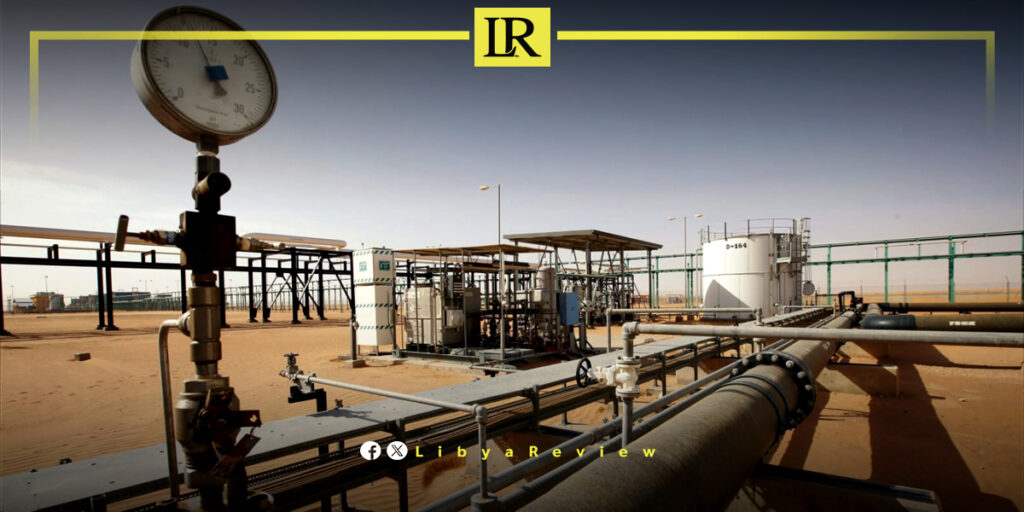
Libya is grappling with an escalating fuel crisis as unpaid debts owed by the National Oil Corporation (NOC) to international fuel suppliers approach $1 billion, according to a report by Bloomberg. The situation has worsened since the country suspended its oil barter programme around three months ago.
Citing informed sources, Bloomberg reported that these arrears could triple by the end of 2025 if no immediate action is taken to settle them. This raises fears of worsening shortages in petrol and other refined fuel products, in a country already plagued by deep political instability and divided governance.
Despite holding Africa’s largest proven oil reserves, Libya remains heavily reliant on fuel imports due to limited domestic refining capacity. Until recently, the NOC managed imports through a barter system, exchanging crude oil for refined products to avoid direct cash payments. However, the Libyan Audit Bureau called for the suspension of this arrangement earlier this year, citing irregularities and operational flaws.
The Ministry of Oil declined to comment on the matter when contacted by Bloomberg. The NOC’s difficulties in paying for imports are exacerbated by the fact that oil export revenues are deposited directly into accounts controlled by the Central Bank of Libya. Meanwhile, Libya remains divided between two rival governments, each vying for control over oil revenues and key state institutions.
Fuel prices in Libya are heavily subsidised, with petrol and diesel sold at approximately $0.027 per litre—among the lowest prices globally. According to a previous UN panel report, some of the subsidised fuel imports are smuggled out of the country and sold illegally abroad.
In a letter dated 19 January, seen by Bloomberg and signed by the NOC chairman, the corporation warned that delays in securing funds for fuel imports could disrupt critical services, including electricity generation and transportation. The NOC called for a new payment mechanism via letters of credit issued by the Central Bank.

