
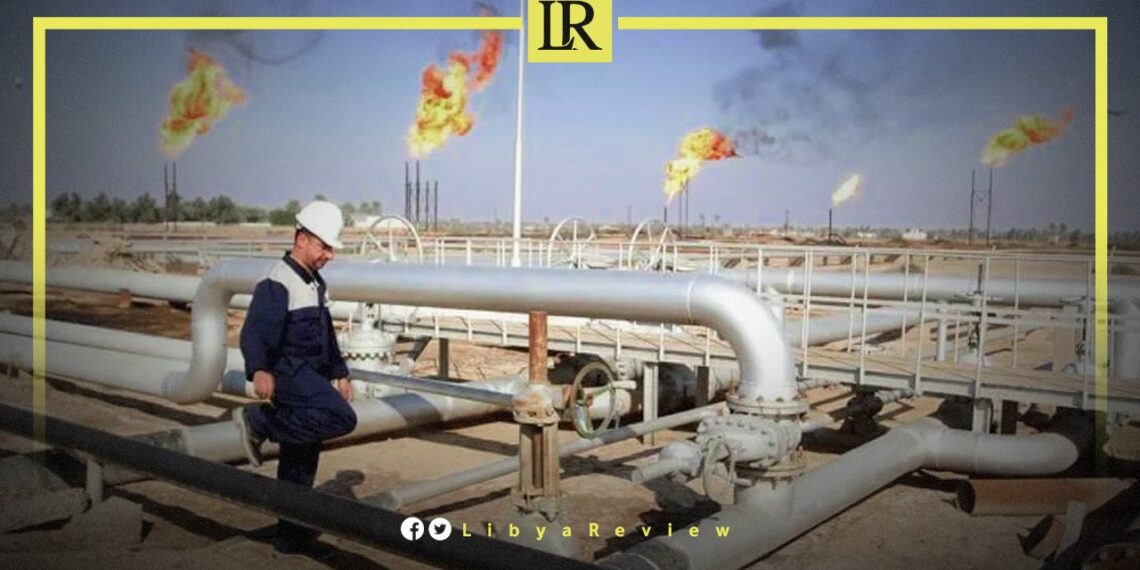
Libya’s fiscal landscape continues to reflect a delicate mix of stability and structural dependence, with oil revenues remaining the overwhelming pillar of state income, according to economic expert and former Central Bank governor candidate, Anwar Yassin.
Speaking to Al-Ain News, Yassin said the latest financial report issued by the Central Bank of Libya underscores controlled expenditure but exposes the continued fragility linked to the country’s reliance on hydrocarbon revenues.
The Central Bank’s data covering 1 January to 30 November 2025 reported total revenues of 115.4 billion dinars, including 93.3 billion dinars from crude sales and 16 billion dinars in royalties. Oil income therefore accounted for more than 90% of total revenue, a ratio Yassin described as “a financial hazard that Libya cannot afford indefinitely.”
Non-oil revenues remained comparatively modest, totalling just 6.1 billion dinars across taxes, customs, telecoms, banking profits and other fees. Yassin stressed that this imbalance leaves Libya economically exposed, especially during fluctuations in production or global oil pricing.
Total expenditure reached 107.5 billion dinars, of which 61.2 billion were allocated to salaries and 33.3 billion to subsidies. Yassin noted that the salary and subsidy bill continues to “consume the state’s fiscal artery”, leaving only 7.2 billion dinars for development projects. He argued that meaningful economic diversification cannot occur while developmental spending remains marginal.
In foreign currency usage, the Central Bank reported 28.5 billion dollars in outflows by late November, resulting in a 7.8 billion-dollar deficit, later covered by investment returns. Foreign reserves climbed to 99.4 billion dollars, showing monetary resilience despite weakened oil inflows since September.
Yassin welcomed the recorded primary surplus of 7.9 billion dinars, calling it an indicator of fiscal discipline and improved transparency. However, he insisted that the surplus remains circumstantial rather than structural, given the economy’s singular dependency on crude exports.
He concluded that Libya possesses the capacity to build a diversified economy but requires political consensus, subsidy reform and investment in non-oil sectors. Without these steps, Libya, he warned, will continue to operate within a “fiscal comfort zone built on unstable petroleum foundations.”

