
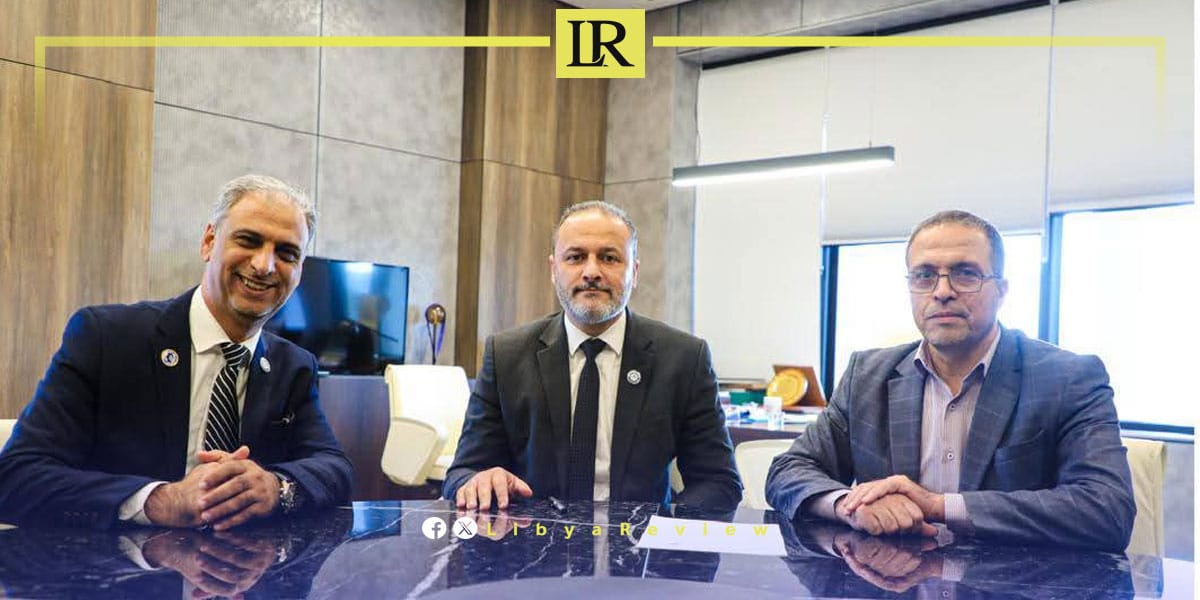
The University of Benghazi has signed a new academic and research cooperation agreement with Italy’s Politecnico di Milano, one of the world’s leading universities in architecture, design, and heritage conservation, in a move aimed at strengthening Libya’s higher education and research sectors.
The agreement was signed by the President of the University of Benghazi, Professor Eiz Eldeen Aldressi, and representatives of Politecnico di Milano, which is internationally recognised for excellence in architectural design and is ranked among the top global institutions in this field. The partnership focuses on enhancing scientific collaboration and launching joint academic and research initiatives, with particular attention to architecture, heritage conservation, and the rehabilitation of historic urban areas in Libya.
According to the University of Benghazi, the agreement is designed to support Libya’s efforts to preserve its architectural and cultural identity, especially in cities that have suffered from years of neglect, conflict, and unplanned urban expansion. By drawing on the technical expertise and international experience of Politecnico di Milano, Libyan academics and students are expected to benefit from advanced methodologies in conservation, urban regeneration, and sustainable design.
The cooperation framework includes the exchange of students and faculty members between the two universities, as well as collaboration on joint academic programmes in architecture and heritage conservation. These initiatives aim to facilitate knowledge transfer, promote applied research, and align academic curricula in Libya with international standards.
University officials said the agreement reflects Benghazi University’s broader strategy to expand its international partnerships and improve the quality of education and scientific research. The partnership is also expected to contribute to capacity building within Libya’s academic institutions and support national efforts towards sustainable development.
The University of Benghazi has increasingly sought to strengthen ties with leading international universities as part of its vision to restore the role of Libyan higher education as a driver of development and innovation, despite ongoing political and economic challenges facing the country.

