
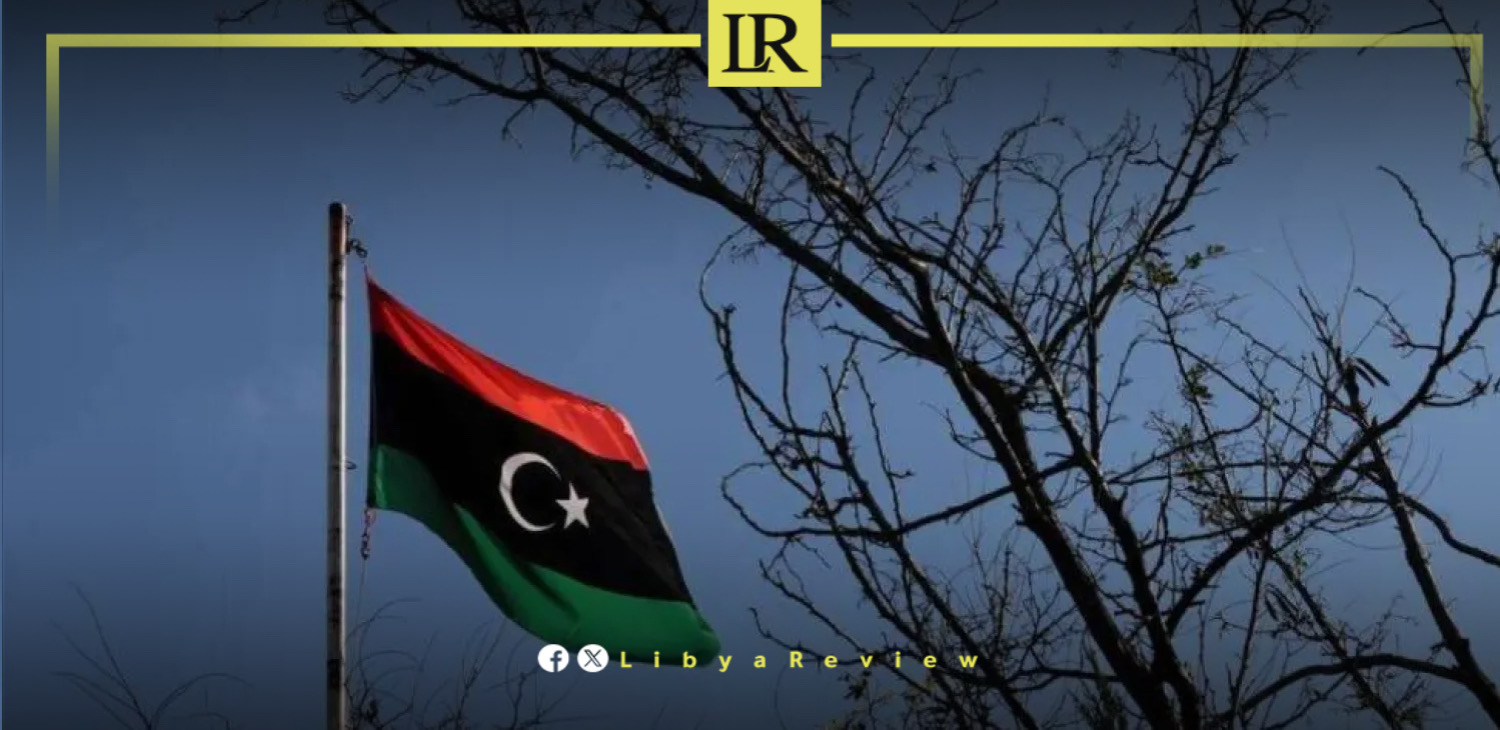
Libya is marking the 74th anniversary of its independence this year under an atmosphere of national mourning rather than celebration, as a major tragedy has cast a shadow over one of the country’s most important national milestones.
December 24 traditionally commemorates the declaration of Libya’s independence in 1951, when the country emerged as a sovereign state after decades of colonial rule and international rivalry over its future.
On that historic day, Libya was proclaimed the United Kingdom of Libya, becoming a constitutional monarchy founded on democratic principles, national unity, and the rule of law. Independence was achieved after years of political struggle and diplomatic engagement by Libyan leaders representing the three historic regions: Tripolitania, Cyrenaica, and Fezzan. Their efforts culminated in United Nations General Assembly Resolution 289, which mandated Libya’s independence by early 1952, effectively ending foreign administration and trusteeship plans.
The anniversary also recalls Libya’s long resistance against Italian colonialism, which began in the early twentieth century following the Treaty of Ouchy in 1912. Libyans soon realized that defending their land rested on their own shoulders, leading to widespread armed resistance across the country. Figures such as Omar Al-Mukhtar in Cyrenaica, alongside prominent leaders in Tripolitania and Fezzan, became symbols of sacrifice and national dignity. These struggles laid the groundwork for the emergence of a unified Libyan state despite repeated international attempts to divide or control it.
This year, however, the anniversary is observed in silence. Libyan authorities declared a period of nationwide mourning following the death of General Mohammed Al-Haddad, Chief of Staff of the Government of National Unity, and several senior military officials.
They were killed in a plane crash in Turkey while returning from an official visit to Ankara. The loss has deeply affected the country’s political and military institutions and prompted the suspension of public celebrations.
The tragedy comes at a time when Libya continues to face prolonged political stagnation, delayed elections, and unresolved institutional divisions. For many Libyans, the contrast between the unity achieved in 1951 and the fragmentation of the present moment is striking. Independence Day, once a symbol of collective achievement and hope, now serves as a moment of reflection on the unfinished journey toward sovereignty in its fullest sense.

