
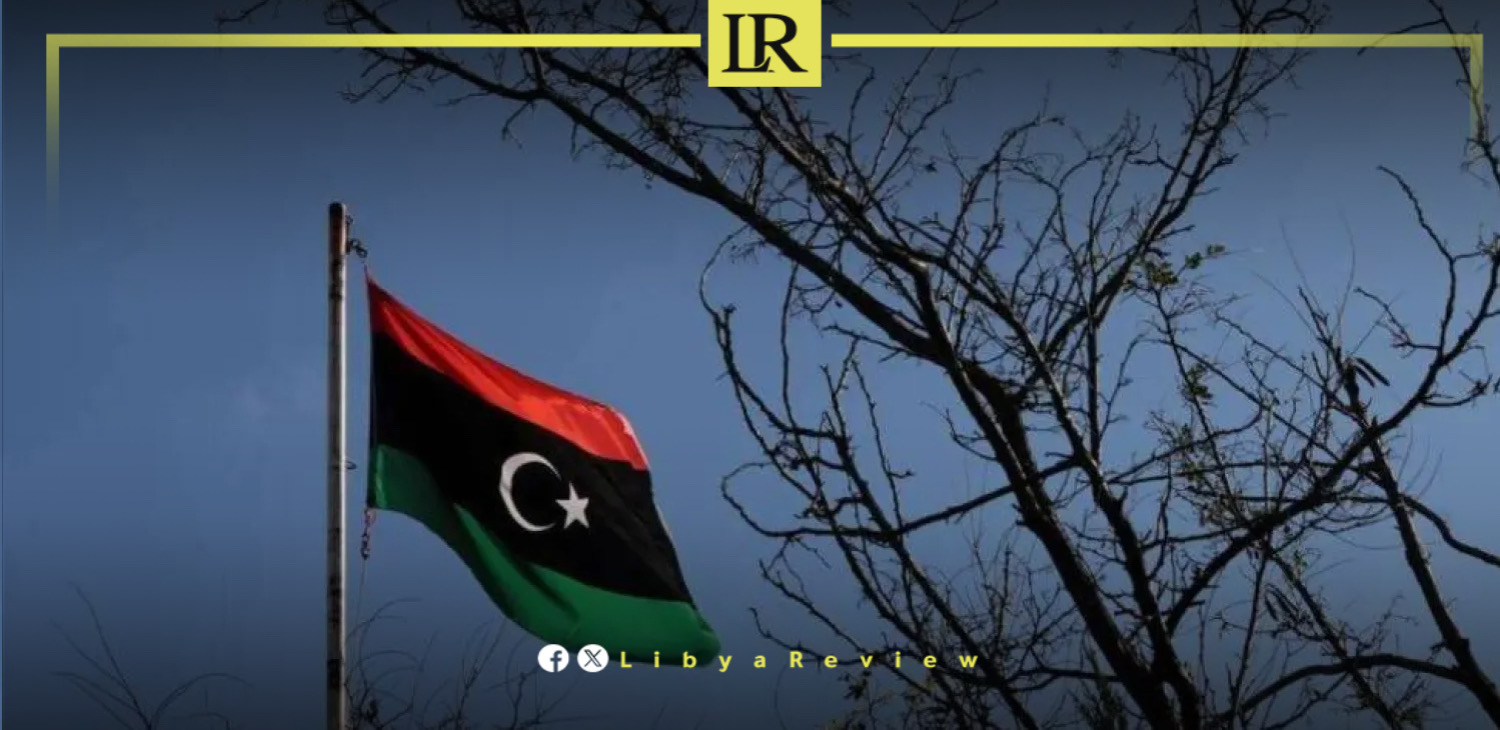
As Libya approaches 2026, the country finds itself suspended between cautious political hope and entrenched structural division. More than fourteen years after the collapse of the former regime, Libya has yet to complete its transition toward a unified state with stable institutions and a single source of political legitimacy.
While renewed international engagement and fresh UN-led initiatives have raised expectations that the coming year could mark a turning point, prevailing realities suggest that deep political fragmentation continues to overshadow prospects for decisive change.
Libya’s political system remains defined by parallel authorities, divided institutions, and competing claims to legitimacy. Rival governments, fragmented sovereign bodies, and unresolved disputes over executive authority have weakened state capacity and eroded public confidence.
Despite repeated declarations that elections represent the primary exit from the transitional phase, consensus on the constitutional and legal foundations required to organize credible nationwide polls remains elusive.
Elections are widely promoted as the solution to Libya’s prolonged crisis, yet many analysts warn that rushing toward the ballot box without resolving foundational disagreements risks perpetuating instability.
Key disputes persist over the constitutional framework, electoral laws, candidate eligibility criteria, and the structure of the political system itself. Past efforts to impose electoral timelines without addressing these issues have repeatedly resulted in postponement, reinforcing doubts about the feasibility of meaningful elections in the near term.
The divisions between Libya’s main legislative bodies continue to represent a central obstacle. Disagreements surrounding the outputs of joint committees, the appointment of sovereign positions, and the reconstitution of electoral institutions highlight not only technical disagreements but also a deeper struggle over power and influence.
These unresolved disputes have stalled political momentum and limited the effectiveness of mediation efforts.
Security conditions further complicate the outlook. The continued proliferation of armed groups, uneven territorial control, and the absence of a unified national military structure pose serious challenges to any comprehensive political process. While local elections have proceeded in certain areas with relative success, observers caution against extrapolating these experiences to the national level without broader security guarantees and institutional coordination.
International involvement remains a decisive factor, though its impact is increasingly debated. Critics argue that external actors continue to prioritize managing instability over enforcing a comprehensive settlement, balancing competing interests rather than exerting sustained pressure for structural reform. The United Nations’ launch of a “structured dialogue” is viewed as an attempt to broaden participation and generate new ideas, yet skepticism persists regarding its non-binding nature and its ability to overcome entrenched political resistance.
Looking ahead to 2026, analysts outline three broad scenarios. The most optimistic envisions a political compromise leading to unified elections and institutional consolidation. A second foresees partial or contested electoral processes that risk deepening divisions. The third, and widely considered the most likely, involves further delays framed as consensus-building efforts, effectively extending Libya’s transitional limbo.
Ultimately, Libya’s challenge is not merely procedural but structural. Without addressing core issues of legitimacy, sovereignty, and the concentration of power, any political arrangement is likely to remain fragile.

