
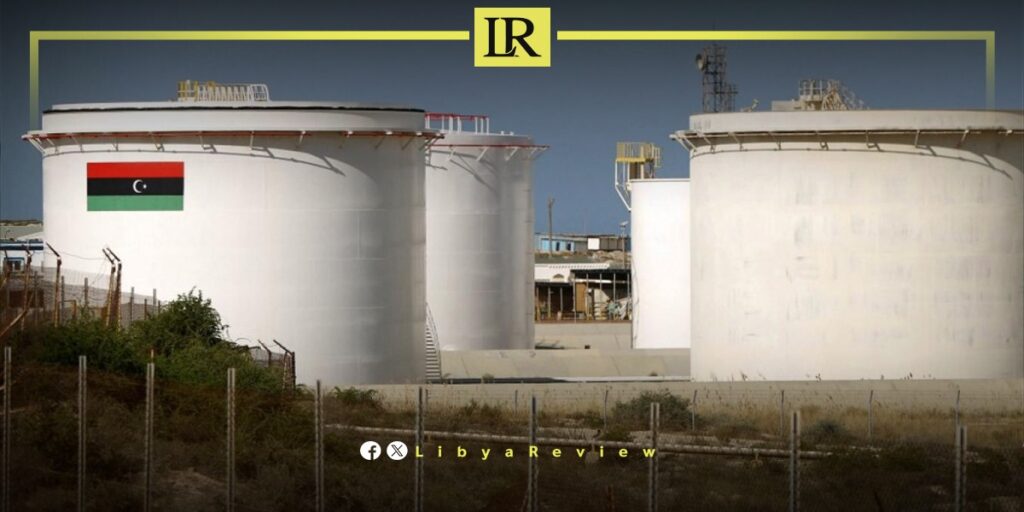
Pakistan’s state-owned Oil and Gas Development Company (OGDC) is planning to expand its overseas operations, with Libya emerging as a key target for new oil and gas exploration partnerships. According to reports from Islamabad, OGDC is seeking to form joint ventures with major international energy companies, including Russia’s Gazprom and Turkey’s Turkish Petroleum, to operate in both onshore and offshore exploration zones in Libya.
The move reflects Libya’s continued importance as a strategic energy hub in North Africa, despite years of political instability.
Libya holds Africa’s largest proven oil reserves and remains attractive to foreign companies due to its relatively low production costs and significant untapped potential. For Libyan observers, OGDC’s interest signals renewed international confidence in the country’s energy sector.
Sources familiar with the talks told Pakistan’s Tribune Express newspaper that discussions with Turkish and Russian firms are at an advanced stage, with Libya and Vietnam identified as priority markets for expansion. OGDC aims to replicate joint venture models it has already used successfully with Turkish partners in offshore projects elsewhere, combining local expertise with international technical capabilities.
Although no specific Libyan fields or blocks have been publicly named, the planned partnerships are expected to involve detailed assessments of surface and subsurface data, well productivity, and geological potential. International experts working alongside OGDC teams would evaluate exploration prospects and estimate potential reserves using advanced regional models.
For Libya, such developments could support efforts to revive investment in the oil and gas sector, increase production capacity, and strengthen cooperation with foreign energy companies. Any new projects would likely require coordination with Libya’s national oil authorities and compliance with existing regulatory frameworks.
The interest from OGDC comes at a time when Libya is seeking to stabilise oil output and attract diversified foreign investment beyond traditional Western partners. If realised, these joint ventures could contribute to technology transfer, job creation, and long-term growth in Libya’s vital energy industry.

