
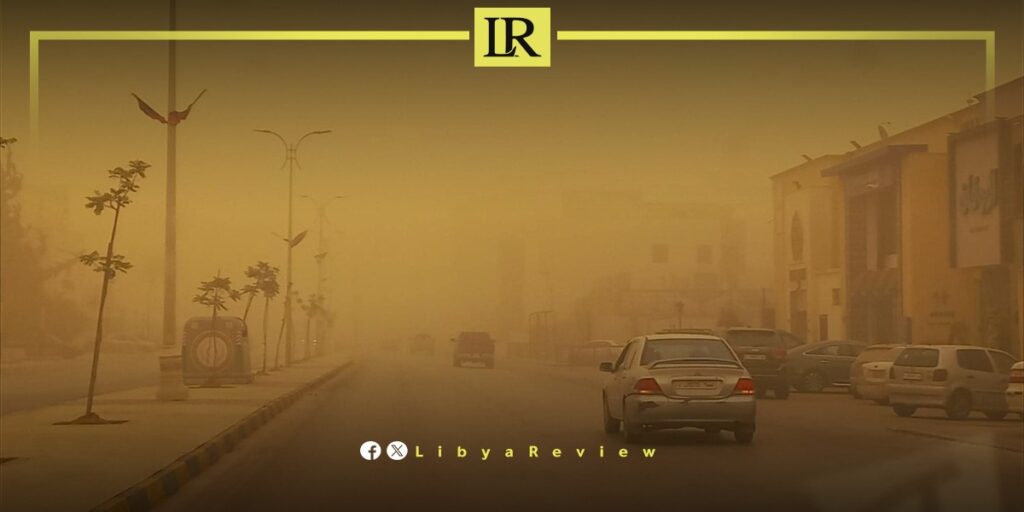
Libyan education authorities have suspended classes in Benghazi for two days due to expected adverse weather conditions affecting north-eastern Libya, officials said.
The Benghazi Education Authority announced that all public and private educational institutions in the city will observe an official holiday on Monday and Tuesday, citing forecasts of severe weather linked to a desert low-pressure system.
Dr Balaid Jomaa, Head of the Benghazi Education Office, told Libyan News Agency that the decision was taken as a precautionary measure to protect students and staff amid concerns over public health and safety. He noted that a significant number of students suffer from respiratory and eye-related conditions, which could worsen due to high winds and airborne dust.
“The suspension aims to safeguard students, particularly those with existing health issues, and to reduce risks associated with strong winds expected during the affected period,” Jomaa told the Libyan News Agency.
Meteorological forecasts indicate that the desert depression will bring strong winds, reduced visibility, and dust storms to several parts of north-eastern Libya, potentially disrupting daily life and transport.
In a related statement, the Libyan Parliament-designate government urged citizens to exercise maximum caution while travelling on roads and within urban areas, especially during periods of low or zero visibility. Authorities warned that deteriorating weather conditions could increase the risk of traffic accidents and other hazards.
The government also called for limiting maritime activities during peak weather conditions, stressing the need for strict adherence to instructions issued by relevant authorities to ensure public safety and protect property.
Earlier, officials had advised citizens to closely follow weather bulletins issued by specialised agencies and to take necessary preventive measures. Security and service agencies have been placed on heightened alert to respond swiftly to any emergency resulting from the weather conditions.
Libya frequently experiences dust storms and extreme weather linked to desert low-pressure systems, particularly during seasonal transitions, prompting authorities to take precautionary measures to minimise risks to public health and infrastructure.

