
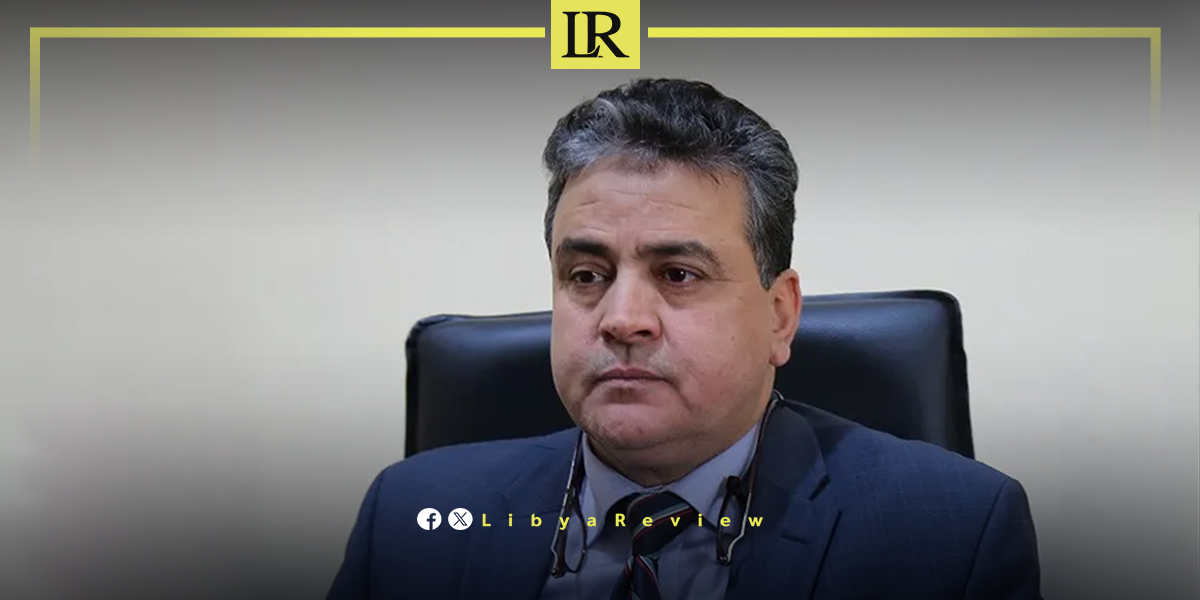
Libyan lawmaker Omar Tntoush has called for allowing the investment of Libya’s frozen sovereign assets under international supervision, warning that keeping them idle for more than a decade is eroding their real value and undermining the rights of future generations.
Speaking to Sputnik, Tntoush said the Parliamentary Committee for the Verification and Follow-up of Libyan Frozen Assets Abroad was established by a decision of the House of Representatives in 2018 to monitor, protect, and preserve these funds, which he stressed belong to the Libyan people.
He explained that the committee has carried out several international missions, including visits to Belgium, Luxembourg, Washington, and New York, where it held meetings with government officials, parliamentarians, members of the UN Security Council, and representatives of the Sanctions Committee. The discussions focused on the mechanisms governing Libyan frozen assets and on ensuring strict compliance with relevant UN Security Council resolutions.
Tntoush clarified that the committee is not calling for lifting the freeze or for spending the funds, but rather for permitting their investment in secure financial instruments under international oversight. Such a step, he argued, would help protect the assets from depreciation, inflation, and market volatility while maintaining full compliance with international legal frameworks.
He warned that the continued freezing of Libya’s sovereign wealth without any form of investment since 2011 effectively amounts to a financial penalty, as it exposes the assets to a gradual loss of real value. This, he said, threatens the strategic and sovereign importance of funds that are meant to serve as a long-term reserve for the Libyan state and future generations.
The issue of Libya’s frozen assets remains one of the most sensitive economic and political files, given their scale and their potential role in post-conflict recovery, development, and fiscal stability. Calls to move from a policy of complete immobilization to one of safeguarded investment under international supervision are increasingly gaining attention within Libyan political and economic circles.

