
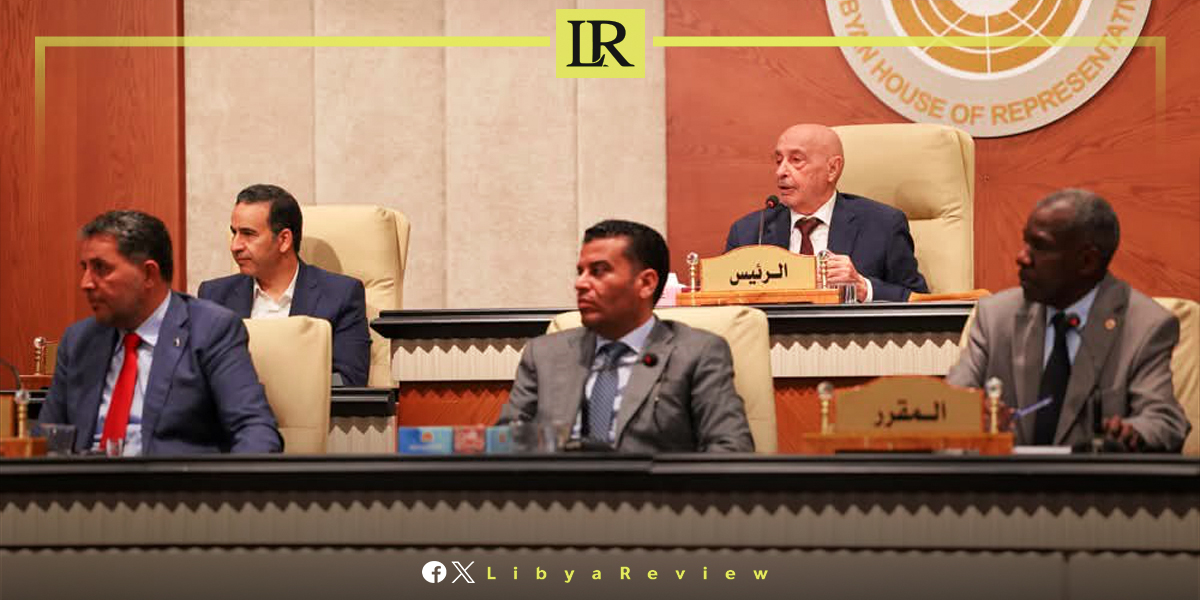
Libya’s Parliament has categorically denied reports claiming that new taxes or fees are being imposed on basic and essential goods, stressing that no such measures have been approved or adopted by the relevant authorities.
In an official statement, the House of Representatives said it has monitored widespread claims circulating on social media and in some media outlets suggesting the introduction of additional taxes on essential commodities. The parliament emphasized that these claims are inaccurate and do not reflect its official position or any approved policy.
The statement clarified that proposals related to economic or fiscal measures, including those concerning taxation, are still under study and review by the competent Libyan institutions. It stressed that no decision of this nature can be implemented without undergoing the proper legal, institutional, and consultative processes, and without formal approval from the appropriate authorities.
The House of Representatives reaffirmed that it will not take any action that would negatively affect citizens or place additional financial burdens on households, particularly amid ongoing economic pressures. It underscored that any future economic decision must serve the public interest, support the national economy, and safeguard Libya’s national security.
Lawmakers stressed that protecting citizens’ purchasing power and ensuring the availability of essential goods at affordable prices remain fundamental priorities. They added that economic policies must be carefully evaluated to avoid social or market instability and to preserve economic balance.
The parliament also urged media organizations and online platforms to exercise professionalism and accuracy when reporting on sensitive economic issues. It called on journalists to rely on official statements and verified sources, warning that the spread of unconfirmed information could fuel public anxiety and misinformation.
In concluding its statement, the House of Representatives reaffirmed its commitment to transparency and responsible governance, pledging continued coordination with economic and financial institutions to address challenges facing the country. It said its efforts remain focused on strengthening economic stability, protecting citizens’ rights, and supporting sustainable development.

