
Western Libya is facing mounting economic pressure as a widening government deficit, a weaker national currency, and fuel shortages increasingly strain daily life for ordinary citizens.
Over the past week, conditions have deteriorated noticeably in several cities, highlighting the fragile state of economic management amid prolonged political uncertainty.
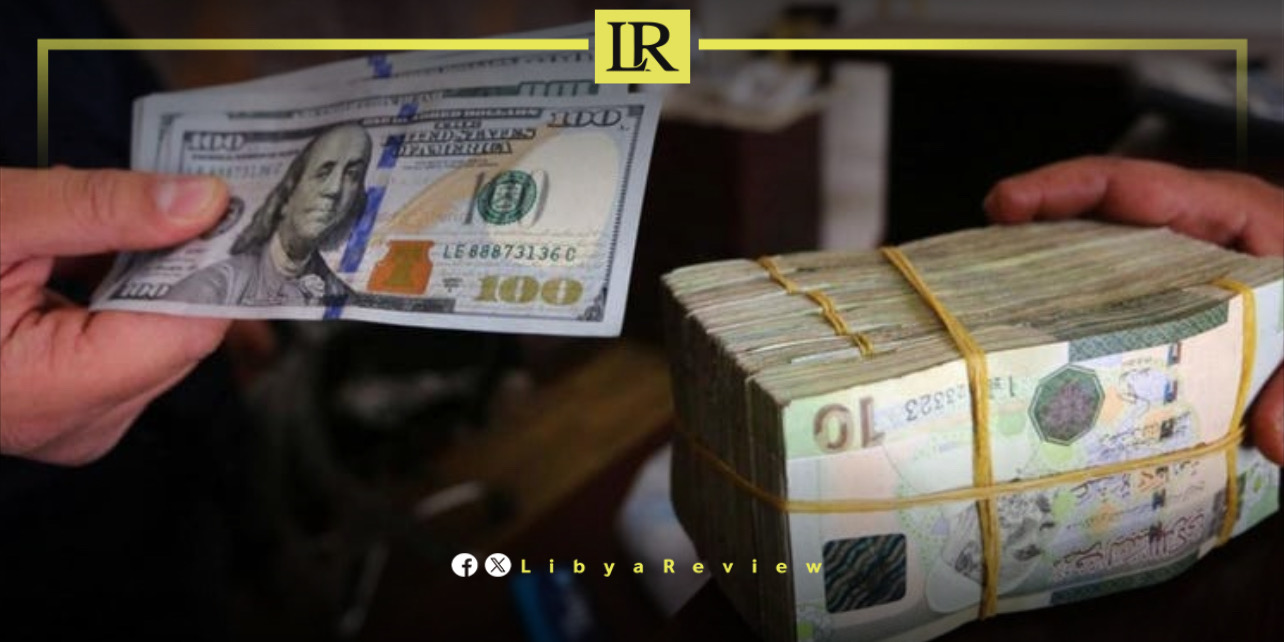
The US dollar has risen sharply in the parallel market, driven largely by recent exchange-rate adjustments that were implemented without sufficient protective measures.
On Monday, the official rate reached 6.31 dinars to the dollar, a move that was not accompanied by tighter spending controls or credible steps to restore confidence in monetary policy. The result has been renewed volatility, speculation in the currency market, and a growing gap between official and informal exchange rates.
This depreciation has quickly fed into higher prices for goods and services, intensifying fears of inflation and eroding purchasing power. Economic observers argue that the problem lies less in the concept of exchange-rate reform itself and more in the absence of a coherent economic vision from the Government of National Unity, combined with weak coordination with the Central Bank of Libya. This disconnect has left markets unsettled and households exposed to sudden price shocks.
At the same time, fuel shortages have resurfaced across parts of western Libya, particularly in Misrata and nearby areas, where long queues have formed at petrol stations. Although officials insist that fuel reserves are adequate, distribution delays and logistical bottlenecks have revealed systemic weaknesses. Analysts say rising import and transport costs, administrative inefficiencies, and poor oversight have disrupted supply chains and allowed smuggling and hoarding to flourish.
Public frustration is growing as citizens complain that economic decisions are made without regard for social realities. Many say the government has focused on managing crises rather than addressing their root causes, while offering few concrete measures to cushion the impact on households.

