
The United Nations Support Mission in Libya (UNSMIL) has emphasized that preserving the unity and independence of Libya’s judiciary is a fundamental prerequisite for holding credible and trustworthy elections.
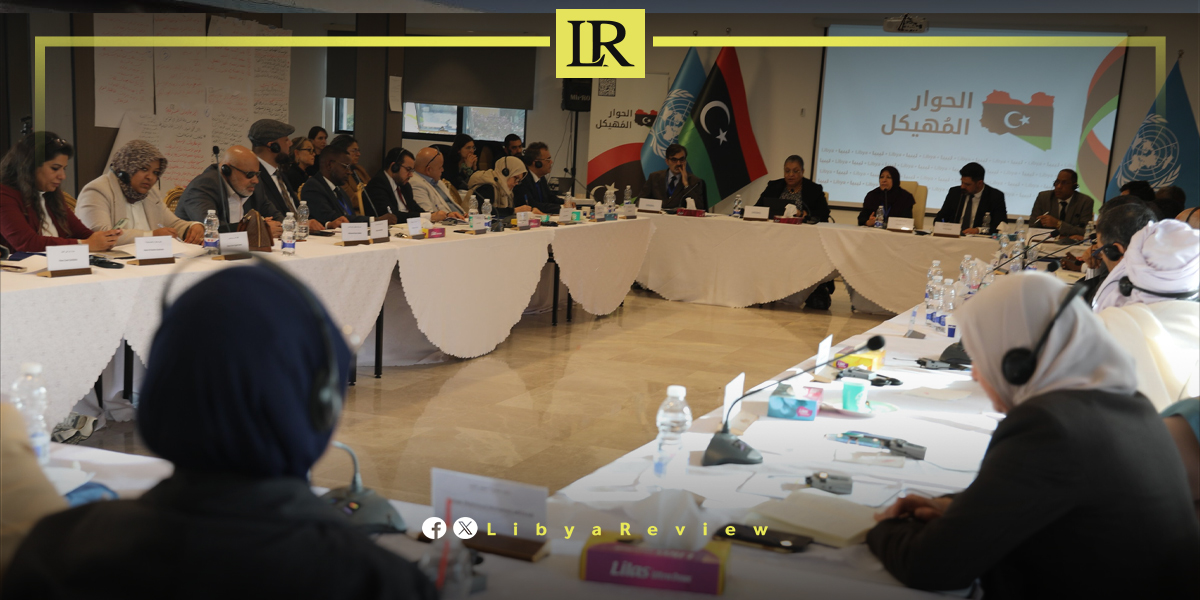
The warning was issued following the conclusion of a five-day series of meetings held in Tripoli as part of the National Reconciliation and Human Rights track within the UN-facilitated structured dialogue.
In its closing statement, the UN mission said participants discussed a range of critical issues directly linked to the integrity of Libya’s political process, including judicial independence, human rights, public freedoms, civic space, and arbitrary detention.
The discussions highlighted growing concerns that recent judicial developments risk undermining the rule of law and eroding public confidence in future elections.
Participants expressed deep concern over the impact of ongoing disputes on the unity and independence of the judicial system, particularly in light of recent rulings issued by the Constitutional Chamber of the Supreme Court in Tripoli, as well as earlier decisions by the Constitutional Court in Benghazi. According to the mission, these parallel and competing judicial rulings threaten to deepen institutional fragmentation and weaken the credibility of state institutions.
The participants stressed that a unified and independent judiciary is essential not only for conducting credible elections, but also for ensuring the proper functioning of state institutions in accordance with the rule of law.
They underlined the need to protect the judiciary from political interference and polarization, calling for dialogue and legal mechanisms to resolve disputes rather than escalation.
The discussions also addressed broader structural challenges facing Libya, including the fragmentation of state institutions and the unchecked influence of armed groups, which were identified as major contributors to human rights violations.
Issues such as arbitrary arrest and detention, the existence of unofficial detention facilities, and restrictions on civil society, journalists, and freedom of expression were highlighted as persistent concerns.
Participants concluded that weak civilian oversight of law enforcement bodies, legislative gaps, and the failure of security agencies to enforce judicial rulings have contributed to a climate of impunity. A set of preliminary recommendations was proposed, including legislative reform, protection of civic space, the closure of unlawful detention centers, and strengthening accountability and transparency mechanisms.

