
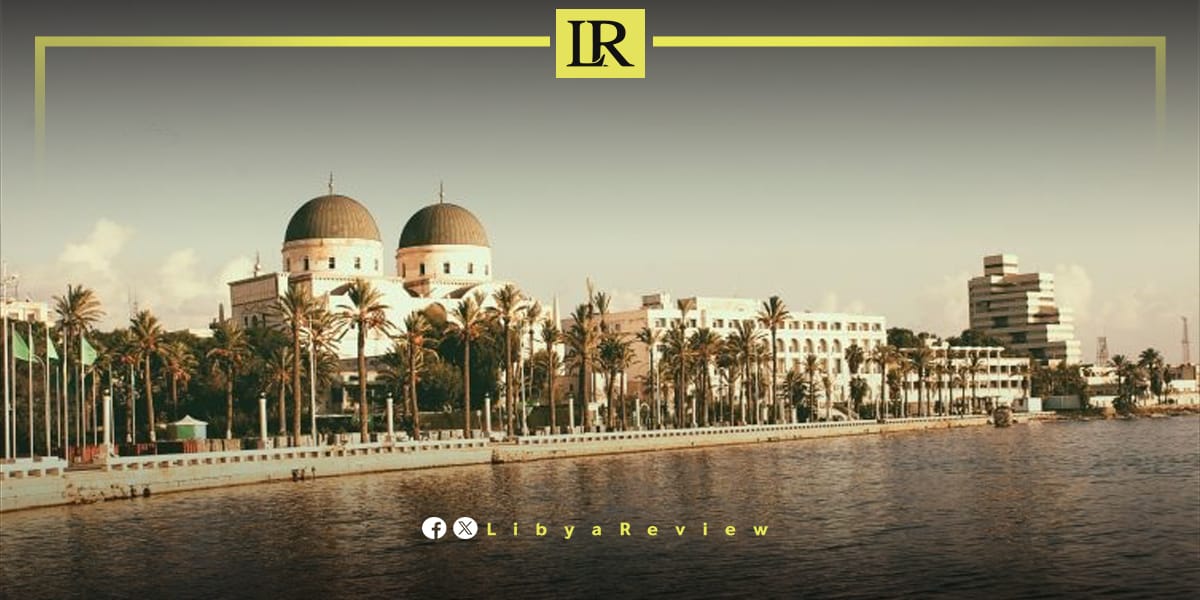
Libya’s city of Benghazi has been officially selected as the Arab Capital of Culture for 2026, a decision warmly welcomed by the Benghazi Municipal Council as recognition of the city’s deep-rooted cultural and civilisational legacy.
In a statement, the municipality said the choice reflects Benghazi’s long-standing role as a leading centre of Arab culture, literature, thought and the arts. It noted that the city has played a pioneering role in shaping Libya’s intellectual and cultural identity, contributing prominent writers, thinkers, journalists and artists to the wider Arab world.
The selection comes as a culmination of Benghazi’s recent cultural achievements, particularly its successful hosting of Benghazi as the Capital of Culture in the Islamic World for 2023–2024. That event, the municipality said, demonstrated the city’s organisational capacity and reaffirmed its position as a hub for creativity that blends authenticity with modernity.
Throughout its history, Benghazi has served as a beacon of Arab culture and knowledge, helping to shape national and pan-Arab consciousness. Its rich historical heritage, combined with social and cultural diversity, reflects the depth of Libyan identity and the city’s openness to its Arab and human surroundings.
The municipality also addressed reports of possible attempts to delay the event due to political conditions, stressing that the Arab Capital of Culture designation should remain separate from political disputes. It described the occasion as a unifying national and Arab cultural milestone that promotes dialogue, cohesion and cultural exchange.
Benghazi Municipality called on all official bodies, cultural institutions, civil society organisations and intellectual elites to rally behind the event and work collectively to ensure its success. It said the celebration should honour the city’s history and the sacrifices of its people, while presenting Benghazi’s true cultural image to the Arab world.
The municipality renewed its appeal to the Libyan prime minister to form a higher committee to oversee preparations, develop a comprehensive cultural programme and secure the necessary financial and moral support, ensuring the event is delivered to the highest standards.

