
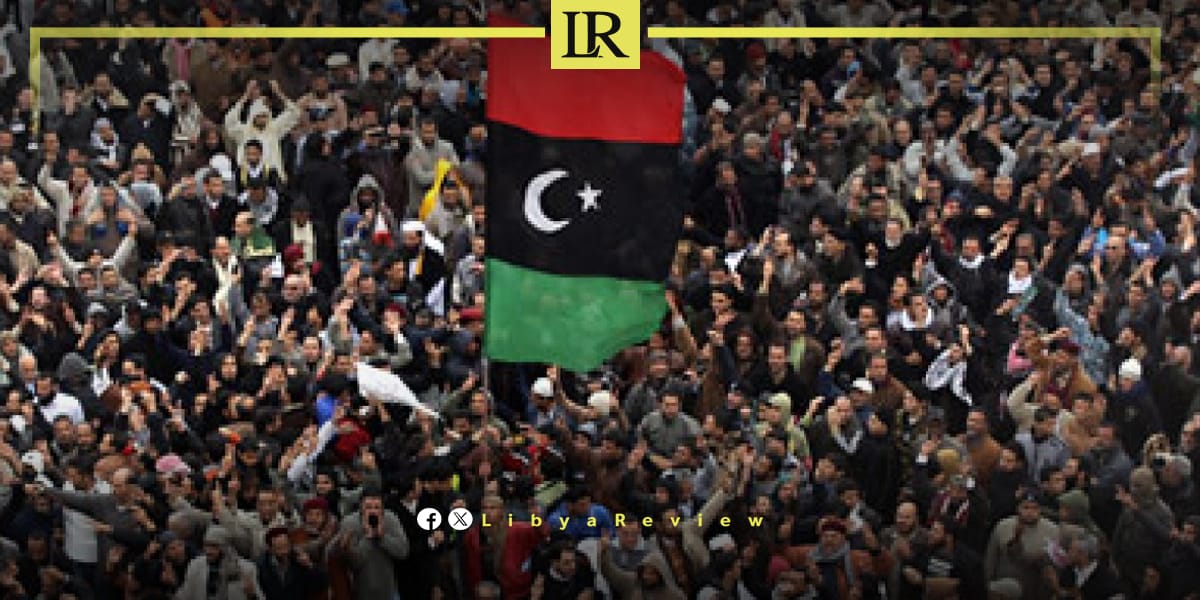
Libya this week marks the 15th anniversary of the 17 February 2011 uprising, a defining moment that reshaped the country’s modern history and led to the fall of Muammar Gaddafi after more than four decades in power.
The uprising erupted as part of the wider Arab Spring, when thousands of Libyans took to the streets demanding an end to authoritarian rule, the establishment of democratic institutions, and respect for human rights and the rule of law. Protesters called for political participation, dignity, and social justice after decades marked by the absence of parties, elections, and accountable governance.
Fifteen years on, however, Libya appears far from achieving those ambitions. The country remains deeply divided politically and institutionally, with rival governments in the east and west, competing claims to legitimacy, and armed groups holding influence across large areas. Efforts to reunify state institutions and organise national elections have repeatedly stalled, despite sustained international and regional mediation.
Economic pressures have compounded political instability. Many Libyans face rising living costs, fragile public services, and uncertainty over the management of oil revenues, reinforcing public frustration with a prolonged transitional phase that has failed to deliver lasting stability.
On the anniversary, the United Nations Support Mission in Libya congratulated the Libyan people, praising their “enduring aspirations for peace, democracy and prosperity”. The mission said that, despite persistent political polarisation, institutional paralysis, and economic hardship, Libyans continue to show determination to live with dignity under unified and accountable institutions.
The UN mission stressed that the anniversary highlights the urgent need to overcome divisions and rebuild a shared national vision. It warned that maintaining the status quo carries serious risks for Libya’s cohesion and long-term stability.
The mission also urged all Libyan leaders to address core political challenges and commit to a political process that prioritises national interests above narrow rivalries. It renewed its call for cooperation among all parties to work towards a secure, stable, and prosperous future for Libya.

