
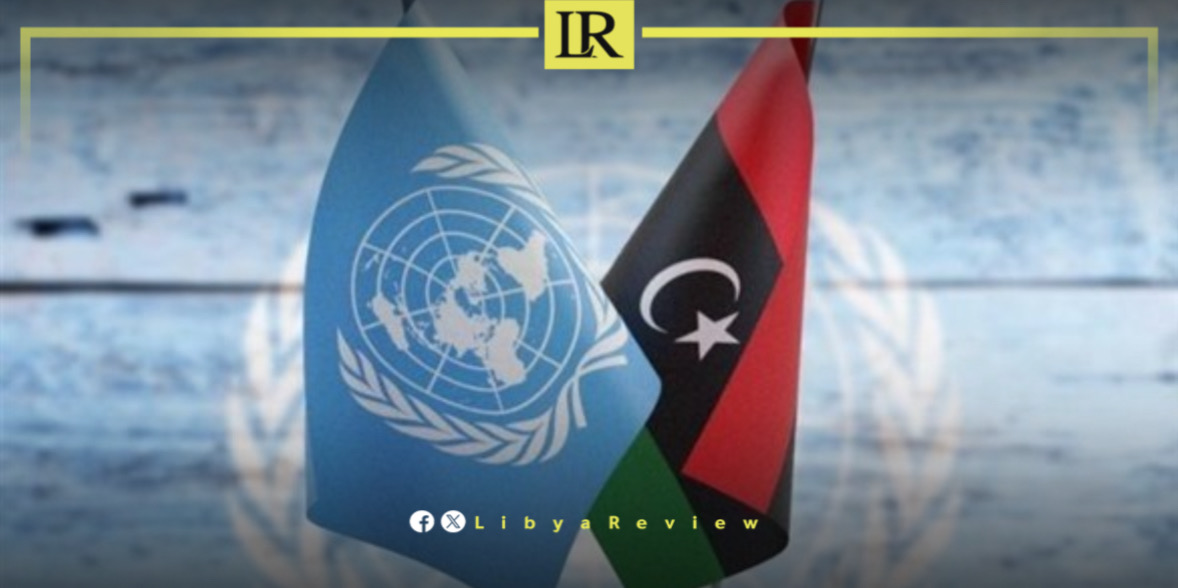
Libya is facing renewed warnings from the United Nations as political division, economic decline, and fragile security conditions continue to threaten the country’s stability.
Briefing the UN Security Council, Special Representative Hanna Tetteh cautioned that worsening living conditions, expanding poverty, and institutional fragmentation could trigger unpredictable political and security consequences if left unaddressed.
At the core of Libya’s crisis, she noted, is the persistence of divided governance and weak coordination between rival institutions. Despite ongoing UN engagement and structured dialogue efforts covering governance, the economy, security, reconciliation, and human rights, meaningful progress has stalled.
Political actors have yet to implement the initial steps of the agreed roadmap, including establishing a mechanism to appoint a new board for the High National Elections Commission and advancing electoral legislation.
Instead of coordinated action, unilateral measures taken outside agreed frameworks have further eroded public trust. Many Libyans increasingly believe that key political bodies are either unable or unwilling to move the country toward elections and unified governance.
The envoy also highlighted growing tensions within the judicial system. Competing jurisdictions and contradictory rulings have raised concerns about the emergence of parallel legal structures.
She warned that undermining the unity of the judiciary represents a serious risk to state cohesion, as legal fragmentation could directly affect elections, governance, and economic stability.
Economic conditions remain equally troubling. The depreciation of the Libyan dinar, rising consumer prices, and recurring fuel shortages have intensified public frustration. The absence of a unified national budget and continued parallel spending by divided authorities have strained foreign reserves and weakened financial stability. Declining oil revenues, limited fiscal coordination, and persistent smuggling networks further complicate recovery efforts.
Security challenges persist as well. Transnational criminal networks continue to expand operations, exploiting porous borders and institutional weakness. Reports of drug trafficking, human rights abuses against migrants, and targeted killings underline the fragile security environment.
Observers argue that Libya’s path forward depends on a comprehensive political settlement that reunifies institutions, restores fiscal coordination, strengthens judicial unity, and sets the stage for credible national elections. Without synchronized political and economic reforms, the risks of deeper instability remain significant, leaving Libya at a critical crossroads.

