
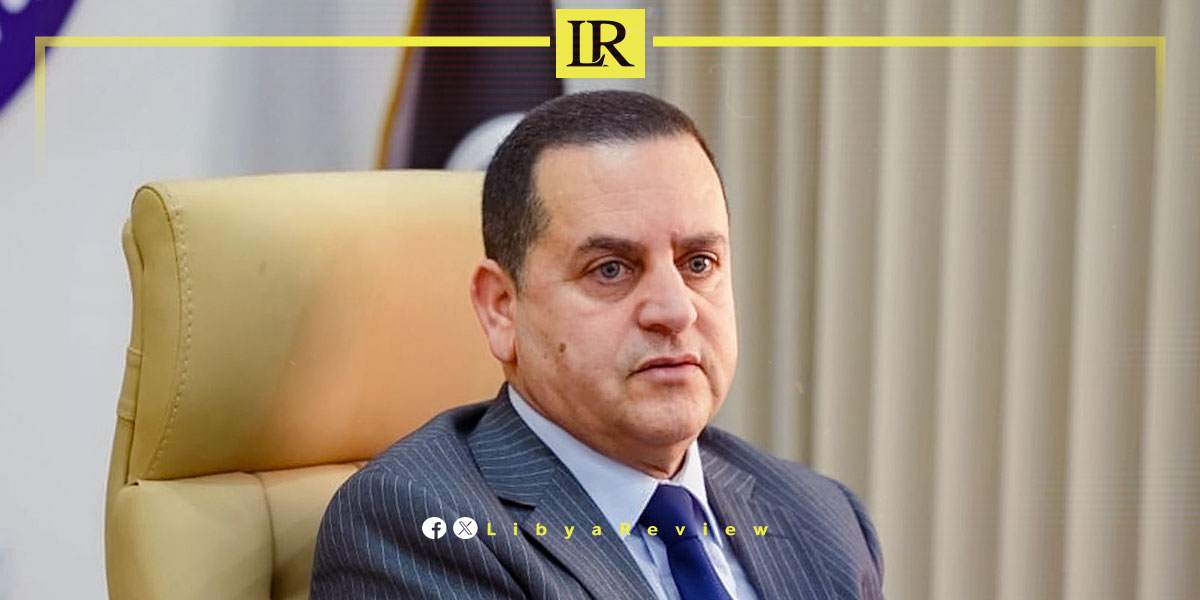
Libya’s Foreign Minister and Minister of International Cooperation Abdulhadi Al-Hwaij chaired the first 2026 meeting of the Secondment Affairs Committee at the Ministry’s headquarters in Benghazi, launching a comprehensive review of diplomatic posting policies and overseas representation.
The meeting was attended by committee members to evaluate regulatory frameworks governing foreign assignments and to restructure Libya’s diplomatic missions in line with clear, objective standards that prioritize national interests. The session focused on modernizing the management of secondments and ensuring that Libya’s external presence reflects strategic political and economic priorities.
During their talks, they discussed the reclassification of Libyan embassies abroad into three categories — A, B, and C — based on the depth and scope of bilateral relations. The proposed criteria include political cooperation, trade and investment ties, cultural and educational exchange, health collaboration, labor affairs, and training partnerships.
Specialized political departments presented a comprehensive framework aligned with Libya’s strategic priorities across Arab, European, Asian, African, and American regions, as well as Australia. The goal is to create a more balanced and performance-based diplomatic network.
The committee also reviewed proposals related to the organizational structures and staffing levels of Libyan consulates abroad. Several recommendations were approved in preparation for administrative implementation, aimed at rationalizing public spending, improving efficiency, and ensuring that each mission’s workforce matches its operational responsibilities.
The meeting reflects broader efforts to strengthen governance, transparency, and financial oversight in managing diplomatic assignments. Participants emphasized the need to safeguard public funds while raising institutional performance standards across embassies and consulates.
Officials agreed to conduct periodic reviews of secondment policies to ensure they remain responsive to regional and international developments. The ministry reaffirmed its commitment to enhancing Libya’s diplomatic effectiveness and reinforcing its international presence through structured, accountable, and interest-driven reforms.

