
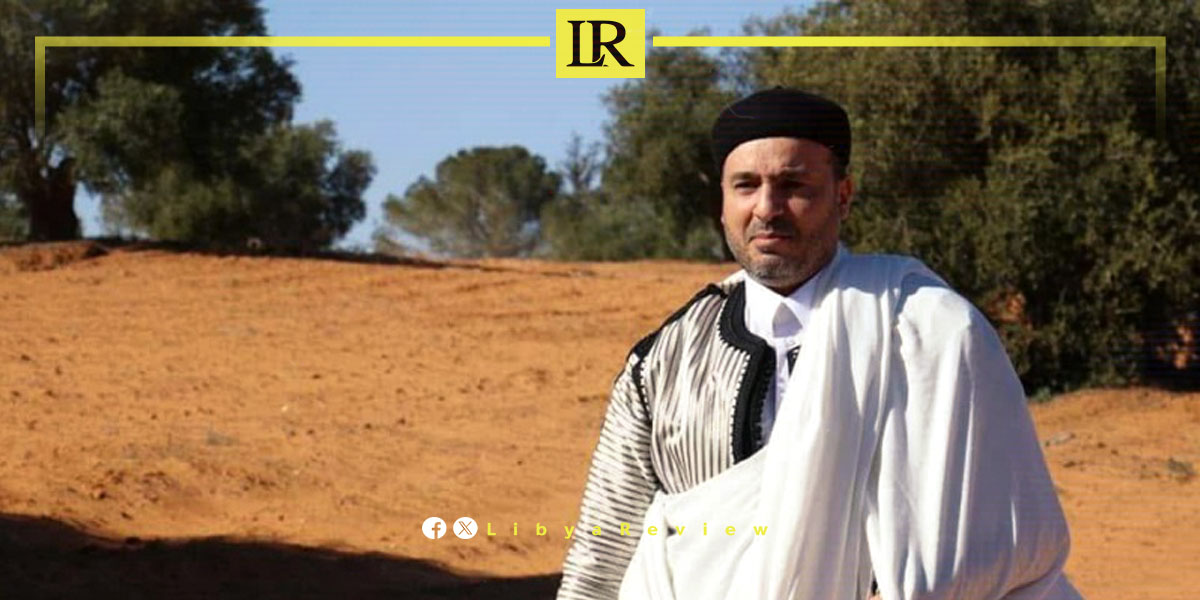
Libyan political activist Al Mahdi Abdulati has been released in Misrata after being held since March 19 under unclear circumstances, according to local sources. His release, carried out through the Public Prosecutor’s Office, has renewed attention on a case that sparked widespread reaction across Libya.
Abdulati’s detention followed what sources described as an abduction, raising concerns among activists, journalists, and observers. During the period of his disappearance, there were no detailed official statements explaining the reasons for his detention, which intensified speculation about the background of the case.
Al Mahdi Abdulati is known for publishing content addressing sensitive issues, including allegations of corruption and criticism of the Government of National Unity led by Abdel-Hamid Dbaiba. His posts have also focused on matters linked to the energy sector, including claims related to financial irregularities and management concerns.
Shortly before his detention, Abdulati appeared in a video discussing topics he described as critical, including fuel and crude oil smuggling, missing tax revenues, and declining oil income. These issues are closely tied to Libya’s economic conditions and ongoing debates over transparency and accountability.
His release comes at a time when public discussion around corruption and governance continues to grow, particularly in sectors such as oil and public finance. The case has drawn attention to the role of activists in raising such issues, as well as the challenges they may face when addressing politically sensitive topics.
Observers say the incident reflects broader concerns regarding freedom of expression and the protection of individuals engaged in public debate. While Abdulati’s release has been welcomed, questions remain about the circumstances of his detention and the lack of clarity surrounding the case.
In recent years, Libya has witnessed increasing focus on corruption and accountability, with activists and digital platforms playing a larger role in exposing such issues. This has placed some individuals at risk, especially when their work intersects with powerful interests.

